
Best equipment finance options for manufacturing businesses in 2026

Best default for equipment ownership: a chattel mortgage. Best for planned replacement: equipment rental. Best for machinery plus installation and working capital: a broader business loan. For equipment finance for manufacturing businesses in 2026, Glenclair suits established owners reviewing asset funding alongside their wider banking arrangements.
TL;DR
- A chattel mortgage is the starting comparison for equipment finance for manufacturing businesses seeking ownership.
- Equipment rental suits replacement-led planning; check return conditions and early termination terms.
- Compare finance leases and hire purchase against ownership, repayment and end-of-term requirements.
- Glenclair suits established manufacturers reviewing equipment finance alongside refinancing and wider commercial borrowing.
Why this matters
A production machine creates more than an equipment funding requirement. Your project can also involve freight, installation, electrical work, commissioning and additional stock before production generates cash.
Separate the equipment purchase from the cash required to put it into production. A loan that covers the machine but leaves the business short during commissioning does not solve the funding problem.
This 2026 guide focuses on established Australian manufacturers, particularly owners considering business-purpose borrowing above A$2 million across their requirements. That is a preferred audience, not a universal eligibility threshold. Assess suitability against the business, asset and proposed transaction.
What makes the best manufacturing equipment finance?
Use these criteria before comparing lender offers:
- Ownership: Decide whether you need to own the machine from purchase, acquire it later or return it under an agreement.
- Cash-flow fit: Match repayments to realistic production cash flow, including commissioning and existing debt commitments.
- Total project coverage: Identify which costs the facility covers and which need separate funding.
- Security: Check the equipment security, any additional business security and personal guarantees requested.
- Exit flexibility: Read early payout, disposal, upgrade and end-of-term conditions before committing.
- Banking compatibility: Check how the facility interacts with existing lending documents and future refinancing plans.
Do not rank an offer on its headline interest rate alone. Compare fees, repayment timing, any final lump-sum obligation, security and the consequences of leaving the agreement early.
Manufacturing equipment finance at a glance
The 2026 ranking below assigns each structure a different job. It ranks funding approaches, not lenders or approval prospects.
| Rank and option | Best for | Defining feature | Key limitation |
|---|---|---|---|
| 1. Chattel mortgage | Buying equipment you intend to retain | Business ownership with lender security over the asset | Ownership leaves disposal and obsolescence with you |
| 2. Equipment rental | Replacement-led equipment planning | Use of equipment under a rental agreement | Return and termination conditions can restrict flexibility |
| 3. Finance lease | Equipment use without ownership during the lease | Lessor owns the asset during the agreement | End-of-term obligations need careful review |
| 4. Commercial hire purchase | Ownership after completing contractual payments | Possession before ownership transfers | Ownership and early payout depend on contract terms |
| 5. Business loan | Machinery projects with broader business costs | Funding assessed against a wider business requirement | Security and repayment structure need separate assessment |
1. Chattel mortgage: best for long-term equipment ownership
A chattel mortgage funds business equipment that your business owns, with the lender taking security over the asset. It is a starting point when you intend to keep productive machinery rather than replace it on a fixed cycle.
Best for: Established manufacturers buying equipment for continued use in their operations.
Chattel mortgage pros:
- Your business owns the equipment from purchase.
- The ownership structure supports a retain-and-use strategy.
- You can compare repayment schedules against expected operating cash flow.
Chattel mortgage cons:
- Your business carries the risk of equipment becoming obsolete.
- Selling the machine requires attention to the lender's security and payout requirements.
- A final lump-sum payment, where included, creates a future funding obligation.
Ask whether the repayment schedule reduces debt at a pace that fits your intended holding period. If you expect to sell or replace the machine before the facility ends, examine the early payout terms now.
Do not assume the equipment is the lender's only security. Read the proposed documents and identify any additional guarantees or security requirements.
Verdict: Buy through a chattel mortgage when ownership is the objective and repayments fit the business.
2. Equipment rental: best for planned equipment replacement
Equipment rental gives your business use of machinery under a rental agreement rather than an outright purchase. It belongs on the shortlist when access to suitable equipment matters more than retaining a particular machine.
Best for: Manufacturers planning around equipment replacement or a defined operational requirement.
Equipment rental pros:
- You can use equipment without purchasing it outright.
- A defined rental period can support replacement planning.
- Ownership and eventual disposal remain separate from your operating use, subject to the agreement.
Equipment rental cons:
- You do not automatically acquire ownership through rental payments.
- Early termination can involve contractual obligations.
- Return conditions, usage limits and maintenance responsibilities require review.
Do not treat rental as automatically flexible. Ask what happens if production changes, the machine becomes unsuitable or you need to exit before the agreed term.
Check responsibility for servicing, breakdowns, insurance and transport. Do not assume any of these are included simply because the arrangement is called rental.
Verdict: Buy access through rental when the replacement plan and contract terms fit your operations.
3. Finance lease: best for use without ownership during the term
Under a finance lease, the lessor owns the equipment and your business makes payments to use it. Your obligations at the end depend on the agreement, so assess the complete contract rather than just the periodic payment.
Best for: Manufacturers seeking equipment use under a lease structure without ownership during the lease term.
Finance lease pros:
- Ownership remains with the lessor during the agreement.
- Contractual payments provide a defined schedule for budgeting.
- The structure offers an alternative to borrowing for an outright purchase.
Finance lease cons:
- Your business does not own the equipment during the lease.
- End-of-term arrangements can involve further obligations.
- Early termination and equipment changes depend on the contract.
Ask for a written explanation of what happens at expiry. Establish whether the agreement provides for return, renewal, disposal or another arrangement, and who carries each obligation.
Keep accounting and tax advice separate from the funding recommendation. The label on the agreement does not establish the right treatment for your business.
Verdict: Buy equipment use through a finance lease only after understanding the full end-of-term position.
4. Commercial hire purchase: best for ownership after payments
Commercial hire purchase gives your business possession of equipment while ownership remains with the financier until contractual requirements are completed. It differs from a chattel mortgage in when ownership transfers.
Best for: Manufacturers that want eventual ownership and accept the hire purchase structure.
Commercial hire purchase pros:
- Your business can use equipment before ownership transfers.
- The agreement sets out the pathway to ownership.
- Scheduled payments provide a basis for cash-flow planning.
Commercial hire purchase cons:
- Ownership does not transfer at the outset.
- Early payout and disposal require attention to contractual terms.
- Any final payment must be included in the funding plan.
Compare hire purchase with a chattel mortgage using the same equipment, intended holding period and repayment assumptions. Otherwise, a difference in payment structure can obscure a difference in obligations.
Confirm responsibility for maintenance and insurance. Also establish what must happen before title transfers, rather than assuming the final scheduled repayment resolves every requirement.
Verdict: Hold until hire purchase has been compared directly with a chattel mortgage on equivalent assumptions.
5. Business loan: best for machinery and wider project costs
A business loan addresses a broader funding requirement rather than necessarily being tied only to a single equipment purchase. It deserves consideration when a production upgrade combines machinery with premises works, commissioning and working capital.
Best for: Established manufacturers funding an integrated expansion or reviewing multiple existing facilities.
Business loan pros:
- The funding assessment can address the wider business project.
- Equipment and supporting costs can be considered together.
- The review can include existing debt and repayment commitments.
Business loan cons:
- Security requirements need assessment beyond the equipment itself.
- Different project costs can require different repayment structures.
- Combining facilities can obscure which assets or activities support the debt.
Do not put every requirement into one facility simply for administrative convenience. Long-lived machinery and short-term operating cash serve different purposes; the structure should reflect that distinction.
Compare a broader business loan against separate equipment and working capital facilities. Assess the combined obligations, not just the apparent simplicity of a single repayment.
Verdict: Buy through a broader business facility when the project extends beyond machinery and the structure supports each funding purpose.
How the options were ranked
The order follows the ownership, cash-flow, project coverage, security and exit criteria above. A chattel mortgage leads for a straightforward ownership objective; the other options serve different operating requirements.
This is a structural comparison for 2026, not a lender scorecard or a prediction of approval. No option wins for every manufacturer. The decision changes when retaining equipment matters less than replacement, or when the wider project matters more than the asset purchase.
Review equipment finance alongside your banking
Glenclair's equipment finance assessment belongs within the wider commercial borrowing discussion. Its independent brokerage works through a panel of 60+ lenders; panel size does not mean every lender is suitable for every manufacturing transaction.
The useful question is whether new equipment debt improves the overall structure or creates another restriction. Review existing security, guarantees, repayment obligations and lender conditions before adding a facility.
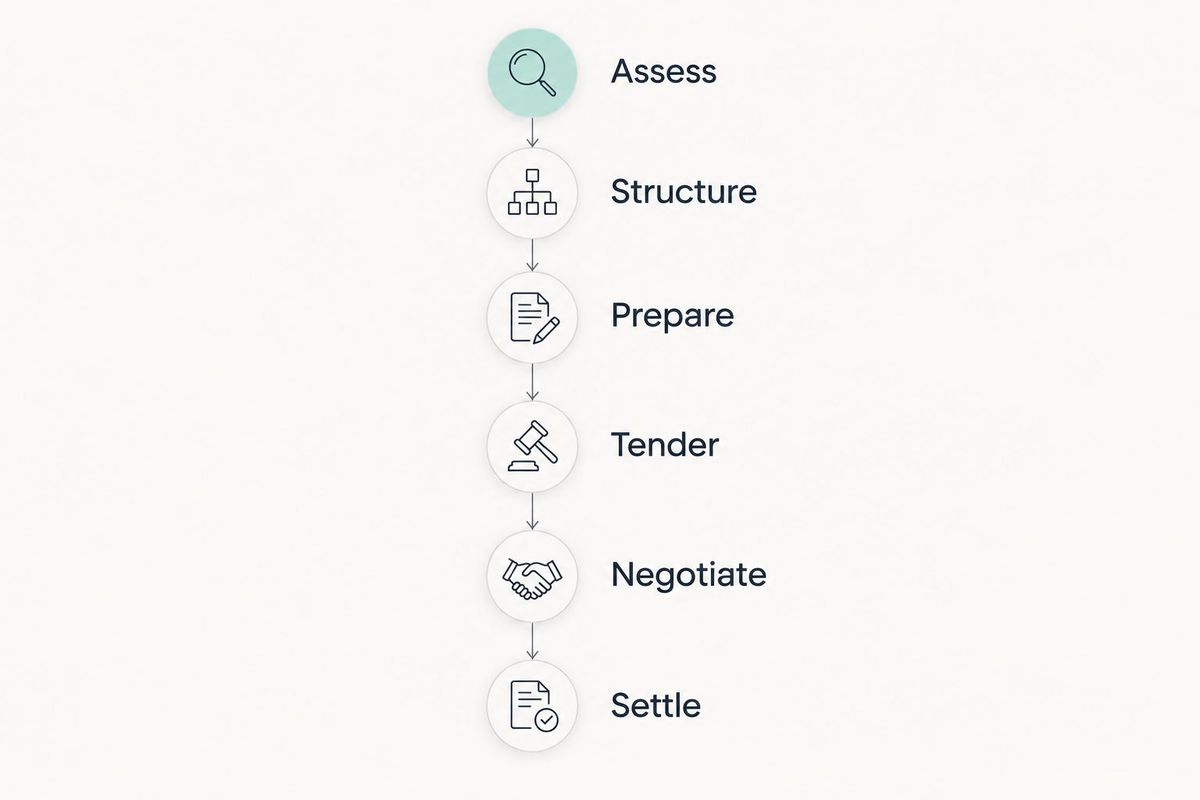
Use this sequence when preparing a banking review:
Assess
Set out existing facilities, outstanding obligations and the equipment requirement. Explain why the investment is needed and how it fits the operating business.
Structure
Separate machinery, installation and operating cash requirements. Decide which assets you intend to own and which funding commitments need different repayment profiles.
Prepare
Assemble financial statements, current management accounts, existing facility documents, equipment quotations and a project cash-flow forecast. Explain material assumptions rather than presenting projections without context.
Tender
Present a consistent funding brief to suitable lenders. Keep the equipment, borrowing entity, security assumptions and repayment requirements consistent so offers can be compared.
Negotiate
Compare repayment schedules, fees, guarantees, security and exit conditions. Record differences clearly; a lower headline rate does not settle the whole decision.
Settle
Check final documents against the agreed terms and coordinate payment requirements with the supplier. Confirm any conditions that must be satisfied before funding proceeds.
Before engaging an adviser, distinguish lender-paid brokerage from debt advisory. Glenclair distinguishes lender-paid brokerage from debt advisory engagements, which use a retainer and success-fee structure. Confirm the engagement scope and remuneration before work begins.
You can review the commercial finance services before deciding which type of engagement fits your requirements.
Which equipment finance should you choose?
Start with a chattel mortgage if you want to own and retain the machine. Compare rental if planned replacement is central, a finance lease if you want use without ownership during the term, and hire purchase if later ownership fits your requirements.
Choose a broader business funding review when machinery is only part of the requirement. That applies particularly when an equipment project coincides with refinancing, property commitments or changes to working capital.
For a 2026 decision, request a written comparison using consistent assumptions. Include the complete repayment schedule, final obligations, security and exit conditions. Do not sign from a summary payment figure.
FAQ
What's the best equipment finance for manufacturing businesses?
A chattel mortgage is the starting comparison when a manufacturing business wants to own and retain equipment. Rental, finance leases, hire purchase and broader business loans suit different ownership and funding requirements.
Is equipment rental better than buying manufacturing machinery?
Equipment rental fits a replacement-led strategy, while buying fits a retain-and-use strategy. Compare return conditions, maintenance responsibilities and early termination terms before choosing rental.
Can manufacturing equipment finance cover installation and working capital?
Do not assume an equipment facility covers installation and working capital. Identify each project cost and ask which costs the proposed facility funds and which require separate arrangements.
Is a chattel mortgage the same as hire purchase?
No. Under a chattel mortgage the business owns the equipment with lender security over it; under hire purchase ownership transfers after contractual requirements are completed.
Should I refinance existing loans when buying new machinery?
Review existing loans before adding equipment debt, but do not assume refinancing is necessary. Compare existing obligations, proposed security and the effect of the new facility on your wider banking arrangements.
Does Glenclair only assess finance above A$2 million?
A$2 million is not a universal eligibility rule. Glenclair prioritises established Australian businesses with larger commercial borrowing requirements and assesses suitability case by case.
How are brokerage and debt advisory engagements different?
Lender-paid brokerage and debt advisory use different remuneration structures. Debt advisory engagements use a retainer and success-fee structure; confirm the scope and remuneration before engaging an adviser.
One last thing
Ask what happens if you need to sell the machine before the agreement ends. That single question brings payout obligations, ownership, security release and replacement funding into the discussion before they become an operational problem.
The right structure must work when your production plan changes, not only when it starts.
Related guides
- Equipment finance options for construction businesses
- Truck finance options for Australian transport fleets
- Income requirements for commercial property finance
By the Glenclair Financial team.