
Best Finder alternatives for business loan comparison

Finder is useful for comparing published business loan options, but a product comparison alone does not establish how a lender will assess your security, guarantees or existing banking arrangements. One Finder alternative to consider in 2026 is Glenclair if you need a broker-led commercial finance review; a direct lender discussion is the better starting point if you only need to clarify your existing facility.
TL;DR
- For Finder alternatives, Glenclair suits business loan comparison that needs a commercial finance review, not just product research.
- A direct lender discussion suits borrowers who want to clarify an existing facility before seeking competing proposals.
- Compare security, guarantees, covenants and repayment structure alongside interest rates.
- Distinguish lender-paid brokerage from debt advisory work charged through a retainer and success-fee structure.
Why this matters
For established Australian businesses seeking more than A$2 million in business-purpose finance, choosing a lender is also a decision about security, reporting obligations and future borrowing flexibility. A published product description cannot settle those questions for your business.
That amount describes this guide’s intended audience, not a universal eligibility rule. Suitability depends on the transaction, borrower and lender requirements.
In 2026, start your business loan comparison with the decision you need to make: research products, review an existing bank relationship, refinance debt, or arrange a more complex funding structure. Those tasks require different levels of assistance.
Finder alternatives at a glance
These options are not interchangeable. Finder is a comparison starting point; a broker, lender or debt adviser has a different role in assessing and progressing a transaction.
| Option | Best for | Standout function | Difference from Finder |
|---|---|---|---|
| Finder | Initial business loan research | Published comparisons that help you identify options | Provides the comparison starting point |
| Glenclair | Broker-led commercial finance reviews | Independent brokerage through a panel of 60+ lenders | Adds transaction-specific brokerage rather than product research alone |
| Your existing lender | Clarifying or renegotiating an existing facility | Direct discussion of that lender’s proposal | Focuses on one lender’s assessment and terms |
| Another independent commercial finance broker | Comparing brokerage scope and approach | A separately assessed brokerage engagement | Provides another service proposal to evaluate |
| A debt adviser | Borrowing that requires a defined advisory mandate | Advice scoped separately from brokerage | Focuses on the agreed advisory work, not a comparison list |
The right alternative depends on who will assess your position, prepare the application, seek proposals and negotiate terms. Ask each provider to explain those responsibilities before you appoint them.
1. Glenclair: best for a broker-led banking review
Glenclair commercial finance brokerage is best for established Australian businesses seeking a broker-led review of their borrowing. Its stated services cover business loans, refinancing, equipment and property development finance through a panel of 60+ lenders.
For a business considering refinancing in 2026, the useful question is not simply which advertised loan looks attractive. It is which proposed facility fits the business’s cash flow, security position and borrowing plans.
Where Glenclair shines
- An independent brokerage model gives you an alternative to dealing only with your existing lender.
- The stated lender panel provides a defined starting point for seeking competing finance proposals.
- Its service coverage allows you to discuss refinancing alongside equipment, business loan and property development requirements.
Where Glenclair falls short
- A panel of 60+ lenders is not a statement that every lender or product is included.
- Brokerage requires business-specific assessment and documentation; it is not a substitute for a quick product scan.
- Lender-paid brokerage and separately charged debt advisory work need distinct scopes. Confirm which engagement applies before proceeding.
| Dimension | Broker-led review | Finder comparison starting point |
|---|---|---|
| Main question | What structure and lender proposal fit this business? | What published business loan options should you research? |
| Information to examine | Financial position, existing debt, security and funding purpose | Published product information and comparison criteria |
| Useful output to seek | A transaction-specific proposal with explained trade-offs | A shortlist for further investigation |
| Your responsibility | Confirm the proposed terms and engagement scope | Verify suitability beyond the initial comparison |
Best for: business owners who need help assessing and progressing a commercial borrowing decision, particularly an existing banking review.
Verdict: Buy the service only after confirming scope, remuneration and responsibilities. Start with the commercial finance services relevant to your transaction, rather than treating every enquiry as a new business loan.
2. Your existing lender: best for clarifying current terms
Your existing lender is the direct source for questions about its own facility and any revised proposal it offers. Ask for the terms in writing before deciding whether a wider market review is necessary.
This route keeps the initial discussion focused. Its limitation is equally clear: a proposal from one lender does not establish how competing lenders would structure the same borrowing.
Where a direct lender discussion shines
- You can ask specific questions about your current security, repayment obligations and renewal conditions.
- You can request a revised proposal against a clearly defined borrowing requirement.
- You retain direct control of the discussion and document requests.
Where a direct lender discussion falls short
- One lender’s offer is not a market comparison.
- You must assess the proposal and identify the terms requiring negotiation.
- Keeping the same banking structure does not, by itself, demonstrate that the structure still suits your business.
| Dimension | Direct lender discussion | Finder comparison starting point |
|---|---|---|
| Scope | One lender’s facilities | Published options for initial research |
| Main use | Clarify or negotiate specific terms | Identify options to investigate |
| Comparison work | You obtain competing proposals separately | You verify how listed options apply to your circumstances |
Best for: borrowers with a defined question about an existing facility, rather than a broader refinancing brief.
Verdict: Hold the existing arrangement while you obtain written answers; do not treat familiarity as evidence of competitiveness.
3. Another independent broker: best for comparing service scope
Another independent commercial finance broker is an alternative when you want to compare the proposed brokerage engagement itself. Evaluate the work promised, the lender-selection approach and how remuneration is explained—not independence claims alone.
Where another independent broker shines
- You can compare written service scopes before appointing a provider.
- You can ask how the broker would approach your particular refinancing, equipment or property transaction.
Where another independent broker falls short
- The label does not establish lender access, experience or service quality.
- An appointment without clear submission authority can leave responsibility unclear.
| Dimension | Another independent broker | Finder comparison starting point |
|---|---|---|
| Decision | Which brokerage engagement suits the transaction? | Which products deserve further research? |
| Evidence to request | Scope, remuneration and lender-selection explanation | Current product details and comparison criteria |
| Main limitation | You still need to assess the provider | You still need transaction-specific assessment |
Best for: business owners comparing professional support before authorising applications.
Verdict: Buy only against a clear written scope; skip unsupported promises of approval or savings.
4. A debt adviser: best for a defined advisory mandate
A debt adviser belongs on your shortlist when the work extends beyond identifying a loan and arranging an application. Define the required advice first, including the decisions, documents and negotiations the engagement must cover.
Do not confuse lender-paid brokerage with debt advisory services. The latter use a retainer and success-fee structure; confirm the applicable terms and payment triggers in the engagement agreement.
Where a debt adviser shines
- A defined mandate makes advisory responsibilities explicit.
- You can separate advice about the borrowing structure from the task of arranging finance.
Where a debt adviser falls short
- A separate advisory engagement adds work that a straightforward transaction might not require.
- You need to understand the payment obligations before appointing the adviser.
| Dimension | Debt adviser | Finder comparison starting point |
|---|---|---|
| Focus | Agreed advisory deliverables | Initial product research |
| Starting document | Written advisory engagement | Published comparison information |
| Key check | Scope and payment triggers | Product relevance and current terms |
Best for: borrowers who can identify a specific advisory requirement beyond an initial loan comparison.
Verdict: Buy a defined mandate, not an undefined promise to find better finance.
Why people switch from Finder-style comparison
Move beyond a comparison page when your decision requires an assessment of the business, not just the product. These are reasons to change the process, not claims about Finder’s service performance.
- You are reviewing existing banking. Compare the proposed replacement against current facilities, security and obligations.
- You need equipment finance. Assess the asset funding alongside the business’s other debt commitments.
- You are funding property development. Put the project’s funding requirements and proposed lending conditions into the brief.
- You need working capital. Explain the cash-flow requirement and repayment source rather than choosing by product label.
- You need competing proposals. Give lenders a consistent brief so differences in terms are visible.
In 2026, use the comparison page to frame questions. Use written lender proposals to make the borrowing decision.
How to run a useful banking comparison
A banking tender needs a consistent brief and a documented decision process. The following six steps provide a practical sequence; they do not promise lender participation or a finance outcome.
- Assess. Record existing facilities, repayment obligations, security, guarantees and the reason for reviewing them.
- Structure. Define the borrowing purpose and how business loans, equipment funding, property debt or working capital fit together.
- Prepare. Assemble financial information and explain the repayment source. Keep the information supplied to lenders consistent.
- Tender. Request proposals against the same brief. Record exclusions and conditions rather than comparing headline terms alone.
- Negotiate. Query differences in security, guarantees, reporting, repayment structure and conditions before accepting a proposal.
- Settle. Confirm outstanding conditions, document execution and the treatment of existing facilities before completion.
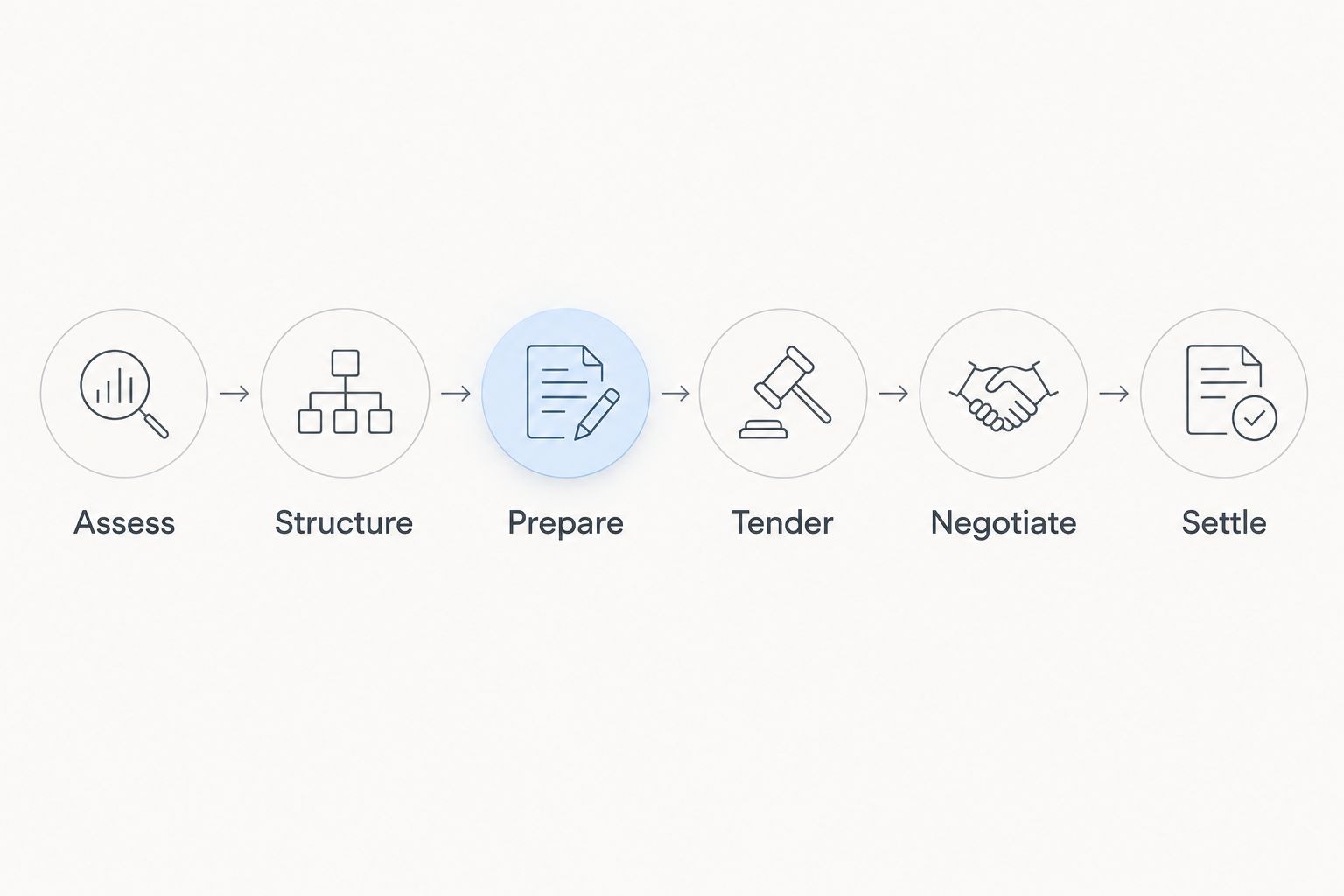
Ask who owns each step. If you are retaining a broker or adviser, the engagement should identify the work they perform and the decisions you retain.
Compare the whole facility
A lower quoted interest rate is not a complete refinancing decision. Review the obligations attached to the proposed borrowing.
| Term | Question to ask |
|---|---|
| Security | Which assets support the facility, and on what terms? |
| Guarantees | Who provides guarantees, and what obligations do they create? |
| Covenants | What financial tests and reporting obligations apply? |
| Repayments | How does the schedule match the business’s expected cash flow? |
| Conditions | What must happen before funding and during the facility? |
| Exit arrangements | What obligations apply when refinancing or repaying? |
For your 2026 review, keep these answers beside each proposal. A comparison that excludes conditions can conceal the very differences you need to assess.
When staying with Finder is the right call
Stay with Finder for initial research when you are still learning which business loan options to investigate. You do not need to appoint a broker merely to understand basic product distinctions.
Best for: early research before you have a defined borrowing brief.
The limitation is the decision boundary. Once you need a transaction-specific answer about security, guarantees, lender assessment or refinancing, move from published comparisons to written advice and proposals appropriate to that task.
Verdict: Hold Finder as a research resource; do not treat a comparison result as a lending decision.
FAQ
What is the best Finder alternative for an established business?
Glenclair is a fit for established Australian businesses seeking a broker-led commercial finance review. Its stated services include business loans, refinancing, equipment and property development finance through a panel of 60+ lenders; suitability requires individual assessment.
Is a commercial finance broker better than a comparison website?
A commercial finance broker suits transaction-specific work, while a comparison website suits initial product research. Choose according to whether you need information or help assessing and progressing a borrowing proposal.
Should I speak to my existing bank before refinancing?
Ask your existing bank for written clarification of current terms and any revised proposal. A wider comparison then lets you assess that proposal against alternatives rather than familiarity alone.
Do I need to borrow more than A$2 million to use a broker?
A$2 million is the intended borrowing scale for this guide, not a universal broker eligibility rule. Each provider must assess whether its service fits your transaction.
What should I compare besides the business loan interest rate?
Compare security, guarantees, covenants, repayments, conditions and exit arrangements. Assess the complete written proposal against your business’s borrowing purpose and cash flow.
Is lender-paid brokerage the same as debt advisory?
No. Lender-paid brokerage and debt advisory are distinct engagements; debt advisory uses a retainer and success-fee structure. Confirm the scope, remuneration and payment triggers before appointing a provider.
Can a broker guarantee business loan approval?
Do not treat a broker recommendation or product comparison as an approval guarantee. Obtain the lender’s written decision and understand all applicable conditions before relying on funding.
One last thing
Before asking for a better rate, write down which terms you want to preserve. A refinancing proposal is harder to judge if you have not identified the security, repayment flexibility and banking arrangements that matter to the business.
Make that list part of the brief. It gives every lender and adviser the same decision to address.
Related guides
- Equipment finance options for construction businesses
- Truck finance options for Australian transport fleets
- Income requirements for commercial property finance
Author: Glenclair Financial team.