
Best agribusiness loan options for grain growers in 2026

Best overall for seasonal inputs: a seasonal working capital facility. Best for reviewing existing debt: a banking refinance; best for machinery: equipment finance. This 2026 guide compares agribusiness loans for grain growers by their purpose, repayment structure and security requirements.
TL;DR
- Agribusiness loans for grain growers should match seasonal cash flow, asset life and the purpose of borrowing.
- Seasonal working capital suits crop inputs; equipment finance separates machinery purchases from seasonal borrowing.
- Glenclair suits established businesses seeking a commercial banking review, with loan suitability assessed case by case.
- Compare refinancing proposals on security, repayments, covenants and total borrowing costs, not interest rates alone.
Why this matters
A grain business needs different finance for sowing inputs, a header purchase and additional farmland. Combining those needs in one facility makes it harder to see whether repayments match the use of the money.
The decision is not simply which lender offers an agribusiness loan. It is which combination of facilities supports your operating cycle without accepting unnecessary security restrictions or repayment pressure.
Glenclair is an independent commercial finance brokerage with a panel of 60+ lenders. Its preferred focus is established Australian businesses seeking business-purpose finance above A$2 million, including refinancing and reviews of existing banking arrangements. Suitability remains case by case; that preferred size is not a universal eligibility rule.
What makes the best agribusiness loans for grain growers?
Use these criteria for your 2026 comparison before requesting proposals:
- Purpose fit: Separate recurring crop inputs from machinery purchases, land acquisition and longer-term debt.
- Repayment fit: Compare repayment dates with expected grain-sale receipts, not just harvest dates.
- Security scope: Identify which land, equipment, inventory and guarantees support each facility.
- Operating flexibility: Check drawdown conditions, repayment requirements and access to undrawn funds.
- Total borrowing costs: Examine interest, establishment charges, ongoing fees and exit conditions together.
- Review obligations: Read financial reporting requirements, covenants and facility review clauses before accepting terms.
The best structure funds the job without creating a repayment problem elsewhere in the business. A facility with an attractive interest margin still needs workable conditions and an appropriate security package.
Agribusiness finance options at a glance
These are facility types, not named lender products. The order reflects common borrowing purposes rather than a claim that one structure suits every grower.
| Option | Best for | Standout feature | Key limitation |
|---|---|---|---|
| Seasonal working capital facility | Crop inputs and operating expenses | Drawings and repayments structured around seasonal cash flow | Access and review conditions require close attention |
| Banking refinance | Reviewing existing borrowing arrangements | Reassesses facilities, security and lender terms together | Switching requires documentation and assessment of exit costs |
| Equipment finance | Headers, tractors and other machinery | Links borrowing to an identifiable business asset | Scheduled repayments continue through weak seasons |
| Rural property term loan | Farmland acquisition or long-term property debt | Spreads property borrowing over an agreed term | Property security and debt servicing constrain the structure |
| Grain inventory finance | Borrowing against eligible stored grain | Connects funding to grain held before sale | Eligibility depends on lender acceptance and control requirements |
1. Seasonal working capital: best for crop inputs
A seasonal working capital facility funds operating expenditure before grain-sale proceeds arrive. Depending on the agreement, it can take the form of an overdraft or another revolving business facility.
This is the default starting point for recurring input needs in 2026. Build the requested limit from a cash-flow forecast that includes seed, fertiliser, chemicals, fuel, wages and existing debt commitments.
Seasonal working capital pros:
- Separates operating expenditure from long-term asset purchases.
- Provides a framework for funding the gap before customer receipts.
- Revolving structures allow repaid amounts to be redrawn within agreed conditions.
Seasonal working capital cons:
- Facility reviews and drawdown conditions can restrict access.
- Interest and other commitments continue when grain-sale receipts are delayed.
- Repeatedly carrying a balance can hide a longer-term funding shortfall.
Best for: Growers with identifiable seasonal cash shortfalls and a documented repayment source.
Ask whether the limit remains available throughout the required period and what triggers a review. Check any requirement to reduce or clear the balance, particularly when your marketing plan extends grain sales beyond harvest.
Verdict: Buy for recurring seasonal needs; skip using it as permanent funding for long-life assets.
2. Banking refinance: best for reviewing existing debt
A banking refinance replaces or restructures existing borrowing arrangements. For an established grain business, the useful comparison covers the whole banking relationship: operating facilities, property debt, equipment commitments, security and guarantees.
Glenclair is best suited to established business owners seeking a commercial banking review, rather than a comparison based only on advertised loan rates. Its independent brokerage model provides access to a panel of lenders; that does not promise approval or improved terms.
Banking refinance pros:
- Creates an opportunity to reassess the entire facility structure.
- Allows competing proposals to address the same borrowing requirements.
- Brings security, reporting obligations and repayment terms into the comparison.
Banking refinance cons:
- Requires current financial information and a clear explanation of the business.
- Exit, valuation, legal and establishment costs need assessment where applicable.
- A new lender's conditions can offset an apparent interest-rate benefit.
Best for: Established growers reviewing existing banking arrangements in 2026, especially where borrowing needs or business structure have changed.
Request a written comparison of the current arrangement and each proposed replacement. Do not assume that moving lenders is the objective: retaining the incumbent can remain a valid result if its final terms suit the business.
Verdict: Buy a structured review; hold any refinancing decision until the full terms are compared.
3. Equipment finance: best for machinery purchases
Equipment finance funds identifiable machinery, such as a tractor or header, under an agreed repayment schedule. It keeps the machinery decision separate from the seasonal operating limit.
Choose the repayment structure around the business's ability to service debt, not the machine's purchase justification alone. A replacement header still creates a financing commitment when harvest income disappoints.
Equipment finance pros:
- Separates capital expenditure from seasonal input funding.
- Makes the machinery's debt commitment visible in forecasts.
- Supports comparison of repayment schedules against expected business cash flow.
Equipment finance cons:
- Scheduled repayments remain due during weaker trading periods.
- A balloon payment creates a future funding obligation if included.
- Asset age, condition and lender acceptance affect the available structure.
Best for: Growers purchasing business machinery while preserving a separately assessed working capital facility.
Ask how the proposed agreement treats early repayment, asset disposal and any final balloon. Confirm the security required rather than assuming the financed machine is the lender's only recourse. Have your accountant assess the tax treatment of the proposed structure.
Verdict: Buy for a defined machinery need; hold if repayments depend on an optimistic harvest forecast.
4. Rural property term loan: best for farmland borrowing
A rural property term loan supports property acquisition or longer-term borrowing secured against rural property. Its structure needs to work with the operating business's cash flow, not just the property's value.
Buying neighbouring land and refinancing existing property debt are different decisions. Both require a clear explanation of repayment capacity, but an acquisition also needs scrutiny of the additional operating costs and funding requirements.
Rural property term loan pros:
- Separates long-term property debt from seasonal expenditure.
- Establishes an agreed repayment framework for a long-life asset.
- Allows property borrowing to be considered alongside the wider banking structure.
Rural property term loan cons:
- Valuation and lender security requirements influence the borrowing assessment.
- Principal repayments compete with operating cash needs.
- Property security can connect otherwise separate facilities and obligations.
Best for: Growers funding farmland or reviewing existing rural property debt.
Compare principal-and-interest and interest-only proposals where offered, including what happens when any interest-only period ends. Ask which titles secure the borrowing and what conditions apply to releasing a property later.
Verdict: Buy for a supported long-term property strategy; skip using seasonal debt to fund the purchase.
5. Grain inventory finance: best for eligible stored grain
Grain inventory finance involves borrowing against grain held before sale, subject to a lender's acceptance criteria. It is a specialist option, not a substitute for confirming how storage, title, quality and sale proceeds will be controlled.
Separate the funding decision from your view of future grain prices. Borrowing creates interest and repayment obligations whether the eventual sale price meets expectations or not.
Grain inventory finance pros:
- Links the borrowing request to identifiable grain inventory.
- Offers a distinct structure to assess alongside general working capital.
- Makes the treatment of stored grain and sale proceeds explicit.
Grain inventory finance cons:
- Grain, storage arrangements and documentation must meet lender requirements.
- Price changes and quality issues affect the underlying repayment plan.
- Monitoring and control conditions can limit operating flexibility.
Best for: Growers holding grain who can satisfy a specialist lender's inventory and documentation requirements.
Confirm how eligible grain is valued, when that value is reassessed and what happens if it falls. Establish who controls release from storage and how proceeds must be applied before committing to a grain marketing plan.
Verdict: Hold until eligibility and control terms are clear; skip if repayment relies on higher grain prices.
How the options are ranked
This 2026 ranking prioritises purpose fit, cash-flow alignment, security scope, flexibility, costs and review obligations. Seasonal working capital comes first because it addresses recurring crop expenditure; the remaining options serve distinct refinancing, machinery, property and stored-grain needs.
This is a comparison of financing structures, not a lender league table. A suitable facility still depends on your financial position, proposed security and the lender's assessment.
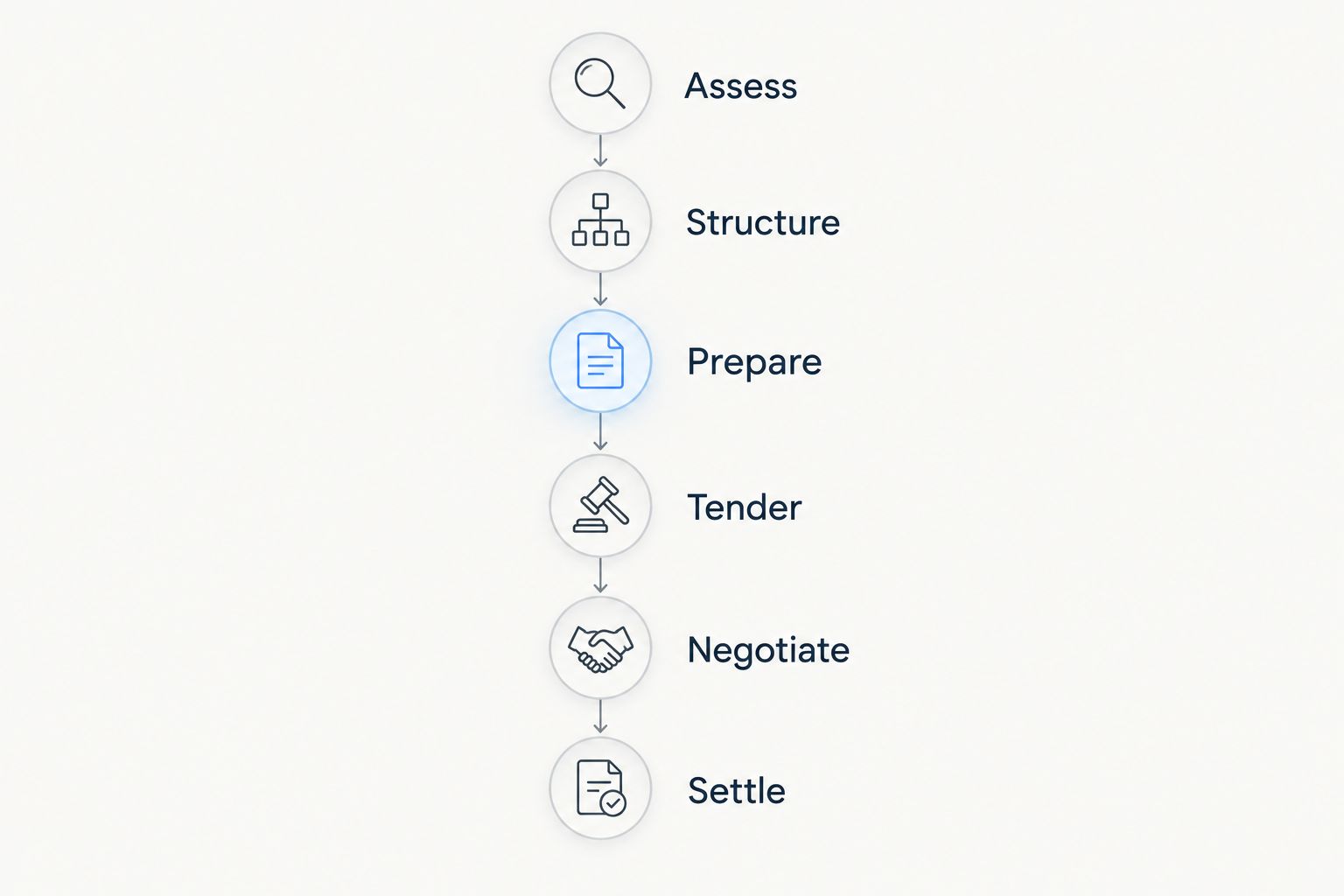
How to run a useful banking tender
A banking tender gives lenders a consistent borrowing brief. The comparison becomes useful when the requested structure and business information stay consistent across proposals.
Assess
Document current facilities, balances, repayment dates, security and guarantees. Prepare financial statements, management accounts and a seasonal cash-flow forecast that explains when funds are needed and repaid.
Structure
Separate working capital, equipment and property requirements. Identify which existing facilities should remain, change or be replaced, and set out the reason for each request.
Prepare
Present the business clearly: operating activities, ownership, debt servicing and material risks. Explain assumptions about crop receipts and include a downside scenario rather than relying only on the preferred season.
Tender
Request proposals against the same brief. Ask lenders to identify security requirements, reporting conditions, repayment schedules and any conditions that must be met before funding.
Negotiate
Compare the complete proposals, including the incumbent's response. Resolve differences in conditions before treating two offers as equivalent.
Settle
Check final documents against the agreed proposal. Coordinate discharge requirements, security registrations and facility access so the transition addresses operating needs.
Clarify brokerage and advisory fees
Glenclair distinguishes lender-paid brokerage from debt advisory services, which use a retainer and success-fee structure. Ask which engagement applies and obtain the scope, payment arrangements and any borrower obligations in writing.
Lender-paid brokerage does not remove the need to compare borrowing costs. Keep the broker's remuneration separate from lender interest, facility charges and transaction expenses when assessing the proposal.
Which agribusiness loan should you choose?
Start with seasonal working capital if your immediate need is crop inputs. Start with a banking review if the problem is the structure of existing debt. Machinery, farmland and stored grain each warrant a separate funding assessment.
For a 2026 refinancing decision, compare the whole arrangement before selecting a lender. A lower interest margin does not compensate automatically for tighter security, unsuitable repayment dates or restrictive conditions.
Review your commercial borrowing
Discuss existing facilities, refinancing needs and the scope of a banking review.
FAQ
What's the best agribusiness loan for grain growers?
Seasonal working capital is the starting point for recurring crop inputs. Equipment finance, rural property loans and refinancing address different needs, so compare the structure against the borrowing purpose and expected receipts.
Should I refinance all my farm debt together?
Assess the whole banking relationship before deciding which facilities to refinance. Moving every facility is not automatically necessary; compare security links, exit conditions and the terms available for each borrowing need.
Can I use an overdraft to buy a header?
An overdraft can fund a purchase only within its agreed terms, but recurring machinery debt needs separate assessment. Compare equipment finance against the effect of reducing the working capital available for crop inputs.
Do agribusiness loan repayments have to be monthly?
Repayment schedules depend on the facility and lender agreement. Ask whether the proposed schedule aligns with grain-sale receipts and confirm the obligations in the final documents.
Can stored grain support a business loan?
Stored grain can support specialist inventory finance where a lender accepts the grain and storage arrangements. Confirm valuation, quality, title, monitoring and sale-proceeds requirements before relying on this option.
Does Glenclair only consider loans above A$2 million?
Glenclair prioritises established Australian businesses seeking business-purpose finance above A$2 million. Suitability is assessed case by case; the preferred size is not a universal eligibility rule.
Is lender-paid brokerage the same as debt advisory?
No. Lender-paid brokerage and debt advisory are different engagements; debt advisory uses a retainer and success-fee structure. Confirm which service applies and obtain written terms before proceeding.
One last thing
Harvest is not the same as repayment day. Your cash-flow forecast should show when grain-sale proceeds are expected to reach the business, including any planned storage period. That distinction belongs in the lender brief before anyone proposes a repayment schedule.
Related guides
- Machinery finance options for agricultural contractors
- Truck finance options for Australian transport fleets
- Income requirements for commercial property finance
By the Glenclair Financial team.