
Best commercial property loans for self storage facilities 2026

Best overall for an established self storage facility: a commercial property refinance assessed through a banking tender. Best for buying an operating site: acquisition finance. Best for building or expanding: development finance. For a broker-led review in 2026, Glenclair focuses on established Australian businesses seeking business-purpose finance above A$2 million, with suitability assessed case by case.
TL;DR
- Commercial property loans for self storage facilities should match the property's operating stage, cash flow and security.
- Refinancing suits existing facilities; acquisition finance suits purchases; development finance suits construction and expansion.
- Glenclair offers independent commercial finance broking through a panel of 60+ lenders.
- Compare repayment structure, covenants, guarantees and exit terms before choosing a lender.
Why this matters
A self storage facility combines commercial property with an operating business. Your loan assessment needs to address both: the security offered and the business income supporting repayments.
The best loan is not a lender name. It is a structure that fits the facility's current position without relying on unproven future occupancy to meet today's commitments.
For a 2026 banking review, separate the decision into two questions: does the existing debt still fit, and would another lender offer a more suitable arrangement? Refinancing is one possible result, not the starting assumption.
What makes the best self storage property loan?
Use these criteria before comparing offers:
- Repayment fit: Scheduled principal and interest must fit the facility's cash flow, including periods of weaker collections.
- Security scope: Identify which properties, business assets and guarantees support each facility.
- Purpose fit: Buying an operating facility, constructing units and funding day-to-day operations require different assessments.
- Covenant clarity: Understand financial tests, reporting obligations and what happens if performance falls short.
- Flexibility: Check restrictions on additional borrowing, capital expenditure, property sales and early repayment.
- Execution certainty: Compare approval conditions, valuation requirements and settlement dependencies—not just an indicative offer.
Read the guide to income requirements for commercial property finance alongside these criteria. Turnover alone does not establish how much debt a storage business can service.
Self storage finance options at a glance
These are borrowing structures, not named lender products. The ranking prioritises established operators reviewing existing banking arrangements; the best option changes with the transaction.
| Rank | Structure | Best for | Standout feature | Key limitation |
|---|---|---|---|---|
| 1 | Commercial property refinance | Reviewing an operating facility's existing debt | Replaces or restructures current borrowing | Requires assessment of the existing debt and proposed replacement |
| 2 | Acquisition finance | Purchasing an operating self storage facility | Aligns borrowing with the purchase transaction | Depends on evidence supporting earnings, security and settlement |
| 3 | Property development finance | Building or materially expanding a facility | Links funding to the construction project | Adds construction, completion and operating ramp-up risks |
| 4 | Revolving working capital facility | Managing an operating facility's cash-flow timing | Allows drawings and repayments within agreed terms | Does not replace long-term property funding |
1. Commercial property refinance: best for existing facilities
Commercial property refinancing replaces or restructures debt secured against an existing property. For an operating self storage facility, it creates an opportunity to review repayments, maturity, security and banking conditions together.
Start with the current facility documents. An attractive headline offer is not enough if changing lenders introduces restrictive guarantees or repayment obligations that do not fit your business.
Commercial property refinance pros:
- Lets you compare the incumbent lender with alternative lenders using the same borrowing brief.
- Creates a decision point for reviewing security and guarantee requirements.
- Allows the proposed repayment structure to be assessed against current trading performance.
Commercial property refinance cons:
- Requires assessment, documentation and a workable transition from the current lender.
- Does not remove weak cash flow or resolve an unsupported valuation assumption.
Best for: Established owners with an operating facility and existing borrowing that needs review.
For a 2026 refinance, compare the full proposed arrangement with retaining the current facility. Include discharge requirements, ongoing obligations and the practical work needed to move banking relationships.
Verdict: Hold until the written comparison supports a change. Refinance when the overall arrangement fits better, not simply because a different lender has expressed interest.
2. Acquisition finance: best for buying an operating facility
Acquisition finance supports the purchase of an existing self storage property or business. The structure depends on what you are buying, which entity will borrow and which assets will secure the debt.
A property purchase and a business acquisition are not interchangeable transactions. Separate property value, operating earnings and any additional funding needed after settlement before seeking terms.
Acquisition finance pros:
- Builds the borrowing assessment around a defined purchase transaction.
- Allows existing trading records to support the funding application where those records are available.
- Brings the proposed ownership, borrowing and security arrangements into the same assessment.
Acquisition finance cons:
- Depends on reliable seller information and appropriate financial, legal and property due diligence.
- Creates settlement risk if approval conditions do not align with the purchase contract.
Best for: Buyers acquiring an operating self storage facility with evidence available to assess its earnings and property security.
Ask whether reported income reflects actual collections. Review discounts, arrears, operating expenses and the costs you will inherit rather than treating advertised occupancy as a complete picture of performance.
Verdict: Hold until the funding conditions and purchase obligations align. Do not treat an indicative lending discussion as an unconditional commitment to fund settlement.
3. Property development finance: best for construction and expansion
Property development finance funds a construction project rather than an already stabilised asset. Relevant projects include a new self storage facility or an expansion involving additional buildings and associated works.
Your assessment must connect the construction budget with the operating plan after completion. Finishing the building does not establish that customer income will immediately support the intended long-term debt.
Property development finance pros:
- Assesses funding against the defined construction scope and delivery programme.
- Allows staged funding requirements to be considered alongside project progress.
- Brings completion funding and the proposed longer-term debt strategy into the discussion.
Property development finance cons:
- Introduces construction, cost-overrun and completion risks alongside ordinary borrowing risks.
- Requires a credible plan for servicing or replacing the debt after construction.
Best for: Owners developing a new site or materially expanding a facility, with a documented budget and funding strategy.
For a 2026 project, distinguish committed funding from projected operating receipts. Test what happens if construction finishes later than planned or customer uptake is slower than the business forecast.
Verdict: Hold until the project and exit funding assumptions withstand scrutiny. A construction facility is not a substitute for a viable operating plan.
4. Revolving working capital: best for cash-flow timing
A revolving working capital facility supports short-term business funding needs under agreed drawing and repayment conditions. It complements property debt rather than replacing the loan used to own the facility.
Keep its purpose clear. Funding a temporary timing gap is different from borrowing repeatedly to cover an operating loss.
Revolving working capital pros:
- Separates day-to-day funding needs from long-term property borrowing.
- Supports drawings and repayments within the lender's agreed facility terms.
- Makes the working capital requirement visible during a broader banking review.
Revolving working capital cons:
- Requires discipline so short-term borrowing does not become permanent debt by default.
- Can bring additional security, reporting or review conditions into the banking arrangement.
Best for: Operating facilities with identifiable cash-flow timing gaps and a credible repayment source.
Equipment purchases need their own assessment too. Do not automatically fold equipment expenditure into property debt without considering the asset's useful life, repayment period and security implications.
Verdict: Skip as the main property funding solution. Consider a revolving facility only for a defined working capital purpose supported by the business's cash flow.
How to run a banking tender for self storage finance
Glenclair provides independent commercial finance broking through a panel of 60+ lenders. A panel is the pool from which suitable lenders can be considered; it is not a promise that every lender will fund your transaction.
Glenclair is best suited to established Australian business owners seeking a broker-led review of substantial commercial borrowing. The preferred focus is business-purpose finance above A$2 million, not a universal eligibility threshold.
A useful banking review follows 6 stages:
- Assess: Establish the borrowing purpose, current debt, financial position and decision deadlines.
- Structure: Define the proposed borrower, facilities, security and repayment approach.
- Prepare: Organise financial statements, current management information, property details and existing loan documents.
- Tender: Present a consistent borrowing brief to suitable lenders so responses address the same requirements.
- Negotiate: Compare proposed conditions and resolve differences in repayments, security, guarantees and covenants.
- Settle: Check outstanding conditions, documentation and the transition from existing arrangements.
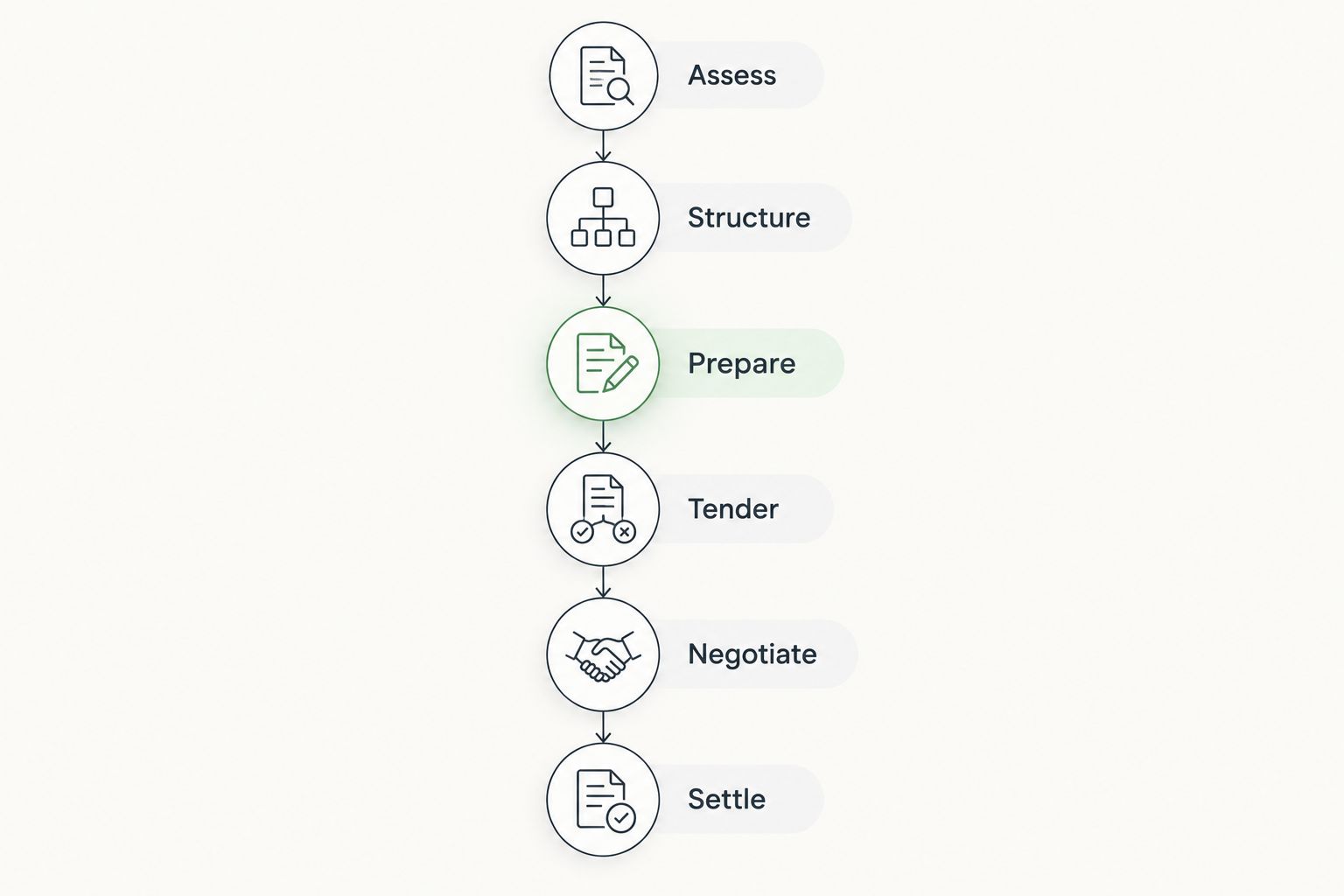
The process matters because different assumptions produce offers that cannot be compared fairly. Ask each proposed lender to address the same funding purpose, security position and repayment requirements.
Review Glenclair's commercial finance services when deciding whether your requirement is refinancing, acquisition, equipment or property development finance.
Review your existing banking arrangements
Discuss the borrowing purpose, existing facilities and information needed for a banking tender.
What to check before accepting terms
In 2026, insist on a written comparison that goes beyond the interest rate. Ask your broker and advisers to explain the consequences of each material condition before you commit.
- Repayment basis: Identify whether payments include principal, how they change and when any remaining balance becomes due.
- Security: List every asset supporting the borrowing and any conditions governing its release.
- Guarantees: Establish who gives each guarantee and obtain legal advice on its scope.
- Covenants: Record the tests, reporting dates and consequences of a breach.
- Exit conditions: Understand early repayment provisions and the steps required to refinance or sell.
- Costs and remuneration: Request written disclosure of lender charges, transaction costs and broker remuneration.
Distinguish lender-paid brokerage from debt advisory services. Glenclair's debt advisory services use a retainer and success-fee structure; do not assume every engagement follows the same remuneration model.
Ask which service applies to your matter and have the scope and payment obligations documented before proceeding. Broker remuneration and lender conditions are separate parts of the decision.
How the options are ranked
The ranking follows the borrowing purpose, repayment fit, security scope, covenant clarity, flexibility and execution requirements set out above. It is not a ranking of lender approval rates or promised savings.
Refinancing comes first because this guide prioritises established owners reviewing existing arrangements. Acquisition and development finance move to the top when the transaction is a purchase or construction project; working capital remains a supporting facility.
Which self storage finance should you choose?
For an established facility, start with a review of the existing commercial property loan. Compare retaining it, renegotiating with the incumbent lender and refinancing through a banking tender.
Choose acquisition finance for a purchase and development finance for construction. Use working capital borrowing only where the operating requirement and repayment source are clear.
The right 2026 decision is the arrangement your business can support under its documented terms. Approval alone does not establish suitability.
FAQ
What's the best commercial property loan for a self storage facility?
For an established facility, start by comparing the existing commercial property loan with refinancing alternatives. Acquisition and development projects require structures matched to those transactions rather than a standard refinance.
Can I refinance an existing self storage facility?
Refinancing is an option for assessment, not a guaranteed outcome. A lender will assess the proposed borrowing, business cash flow, property security and its lending requirements.
Do I need to borrow more than A$2 million to speak to Glenclair?
A$2 million is Glenclair's preferred focus for substantial business-purpose finance, not a universal eligibility rule. Suitability is assessed case by case.
Will occupancy alone determine how much I can borrow?
No. Occupancy does not establish collected revenue, operating expenses or the cash available for repayments. Present financial records alongside occupancy information.
Can I use property development finance to expand a storage facility?
Property development finance is a structure to assess for construction-led expansion. The assessment needs to address project costs, completion risks and the proposed funding position after construction.
Is working capital finance the same as a commercial property loan?
No. Working capital finance addresses operating funding needs, while commercial property debt funds or refinances property. Assess the purpose and repayment source separately.
Does a banking tender guarantee better terms?
No. A banking tender creates a structured comparison of suitable lender proposals. The available terms depend on the transaction and each lender's assessment.
Are brokerage and debt advisory paid for in the same way?
No. Lender-paid brokerage is distinct from debt advisory services, which use a retainer and success-fee structure. Confirm the engagement scope and remuneration in writing.
One last thing
Before refinancing a self storage facility, draw a simple map of the assets securing each business debt. An apparently separate equipment or working capital facility can still affect a property refinance if the security arrangements connect them.
Ask what must be repaid, released or renegotiated before settlement. That question belongs near the start of the review, not after you have selected a lender.
This guide provides general information, not a personal finance recommendation. Obtain advice appropriate to your borrowing, legal and tax circumstances.
Related guides
- Equipment finance options for construction businesses
- Equipment finance options for manufacturing businesses
Author: Glenclair Financial team.