
Best NAB alternatives for working capital finance

NAB combines business lending with transaction banking, which suits owners who want their borrowing and everyday banking together. That convenience stops being enough when you need to compare your existing facilities against other lenders’ terms. One NAB alternative to consider in 2026 is Glenclair if you need an independent commercial finance brokerage to compare lenders; another bank is the direct route if you want a replacement banking relationship.
TL;DR
- For NAB alternatives, Glenclair suits established businesses seeking a lender comparison for working capital finance and refinancing.
- Another bank suits owners who want borrowing and transaction banking within one relationship.
- Invoice finance suits receivables-led funding needs; compare debtor requirements and collection arrangements.
- Compare security, guarantees, covenants and repayment terms before replacing an existing NAB facility.
Why this matters
Working capital finance funds the gap between paying business expenses and receiving customer payments. The right facility depends on the reason for that gap, not just the lender’s name.
A seasonal cash shortfall, slow-paying customers and equipment purchases are different funding problems. Putting each into the same revolving facility can make your banking arrangements harder to assess.
For established Australian businesses considering finance above A$2 million, start with a review of existing borrowing and security. That is the audience for this guide, not a universal eligibility threshold. Suitability remains case by case.
NAB alternatives at a glance
The options below are not interchangeable. A broker compares and arranges finance; a lender provides it; invoice finance describes a funding structure rather than a particular provider.
| Option | Best for | Standout distinction | Difference from NAB |
|---|---|---|---|
| NAB | Keeping lending and transaction banking together | Direct banking relationship | The existing lender is the benchmark |
| Glenclair | Independent review of commercial borrowing | Access to a panel of 60+ lenders | A brokerage, not the lender providing funds |
| Another bank | Replacing the banking relationship | Direct negotiation with a different bank | Offers another lender’s assessment and terms |
| A non-bank commercial lender | Assessing a different funding structure | Commercial lending outside a bank relationship | Does not replace every everyday banking function |
| An invoice finance provider | Funding linked to customer receivables | Advances assessed against eligible invoices | Focuses on receivables rather than general borrowing capacity alone |
For a 2026 comparison, request proposals against the same funding brief. A larger limit does not establish a better fit if security, repayment requirements or reporting obligations also change.
1. Glenclair: best for an independent banking review
Glenclair is an independent commercial finance brokerage with a panel of 60+ lenders. It helps Australian business owners arrange business loans, refinancing, equipment finance and property development finance.
Glenclair is best for established business owners who want a structured comparison of commercial finance options rather than another isolated lender application. For working capital, that means assessing the existing facility alongside the rest of the business’s borrowing.
Where Glenclair shines
- Lender comparison: A panel provides a starting point for comparing different funding proposals.
- Existing debt review: Refinancing can be considered alongside the immediate working capital requirement.
- Broader borrowing context: Equipment and property borrowing can be considered when assessing how business debt is structured.
Where Glenclair falls short
- It is not a lender: Credit decisions and facility conditions remain with the finance provider.
- A panel is not the whole market: Ask which lenders are relevant to your circumstances and which are being approached.
- A review requires preparation: You still need financial records, facility documents and a clear funding requirement.
| Dimension | Brokerage route | Direct NAB route |
|---|---|---|
| Role | Arranges finance through lenders | Assesses an application as the lender |
| Comparison | Can compare proposals across its panel | Provides NAB’s proposal |
| Approval authority | Remains with each proposed lender | Remains with NAB |
| Borrower’s task | Supply a consistent brief for lender comparison | Supply information for NAB’s assessment |
Best for: Owners reviewing substantial commercial borrowing, particularly refinancing and existing banking arrangements.
Verdict: Buy the comparison process, not an assumed approval or saving.
2. Another bank: best for replacing the banking relationship
Approaching another bank directly makes sense when you want a lender relationship rather than brokerage support. It also lets you compare whether your working capital requirement fits a different bank’s assessment.
The task is to compare the full proposal. Do not treat a discussion about appetite as a substitute for written terms.
Where another bank shines
- Direct communication: You discuss the lending request with the prospective lender.
- Relationship replacement: You can assess borrowing and transaction banking together.
- A clear benchmark: A written proposal gives you an alternative to the incumbent’s terms.
Where another bank falls short
- The comparison remains yours: A bank presents its own lending proposal, not an independent market assessment.
- Switching takes work: Security releases, account changes and facility documentation need coordination.
- Different assessment does not mean approval: Another bank still needs to accept the business and proposed structure.
Best for: Owners prepared to manage lender comparisons themselves and move the banking relationship if the terms justify it.
Verdict: Hold until the written proposal and switching requirements are clear.
3. A non-bank lender: best for comparing funding structures
A non-bank commercial lender is another route to assess, not a promise of easier finance. Start with the proposed facility’s purpose, repayment source and security requirements.
Compare the actual offer rather than assuming all non-bank lenders work alike. Their credit criteria and facility structures differ.
Where a non-bank lender shines
- Another assessment route: You can test whether a different provider accepts the proposed borrowing structure.
- Separate funding: You can assess a commercial facility without treating it as a replacement for everyday banking.
Where a non-bank lender falls short
- Terms need close examination: Review repayment obligations, guarantees, default provisions and exit conditions.
- It is not a complete banking substitute: Transaction banking arrangements still need separate consideration.
Best for: Businesses comparing a specific commercial funding requirement across bank and non-bank proposals.
Verdict: Hold until the structure fits your cash flow and existing security obligations.
4. Invoice finance: best for receivables-led funding needs
Invoice finance links funding to eligible customer invoices. It is relevant when the working capital gap comes from supplying customers before receiving their payments.
It is a less direct fit when the funding need has little connection to receivables. Equipment purchases or long-term expenditure need their own assessment.
Where invoice finance shines
- Purpose alignment: The funding structure relates directly to the debtor book.
- Specific comparison: You can assess an invoice-backed facility against a general working capital proposal.
Where invoice finance falls short
- Not every invoice qualifies: Check debtor eligibility, exclusions and concentration limits in the proposed terms.
- Administration matters: Understand reporting, collection arrangements and what happens when customers pay late.
Best for: Businesses whose cash-flow gap is driven by eligible customer invoices awaiting payment.
Verdict: Hold unless the debtor book and operating process support the facility.
Compare NAB alternatives through a banking tender
A banking tender puts the same borrowing requirement before selected lenders. Its purpose is to make proposals comparable, rather than collecting unrelated offers with different assumptions.
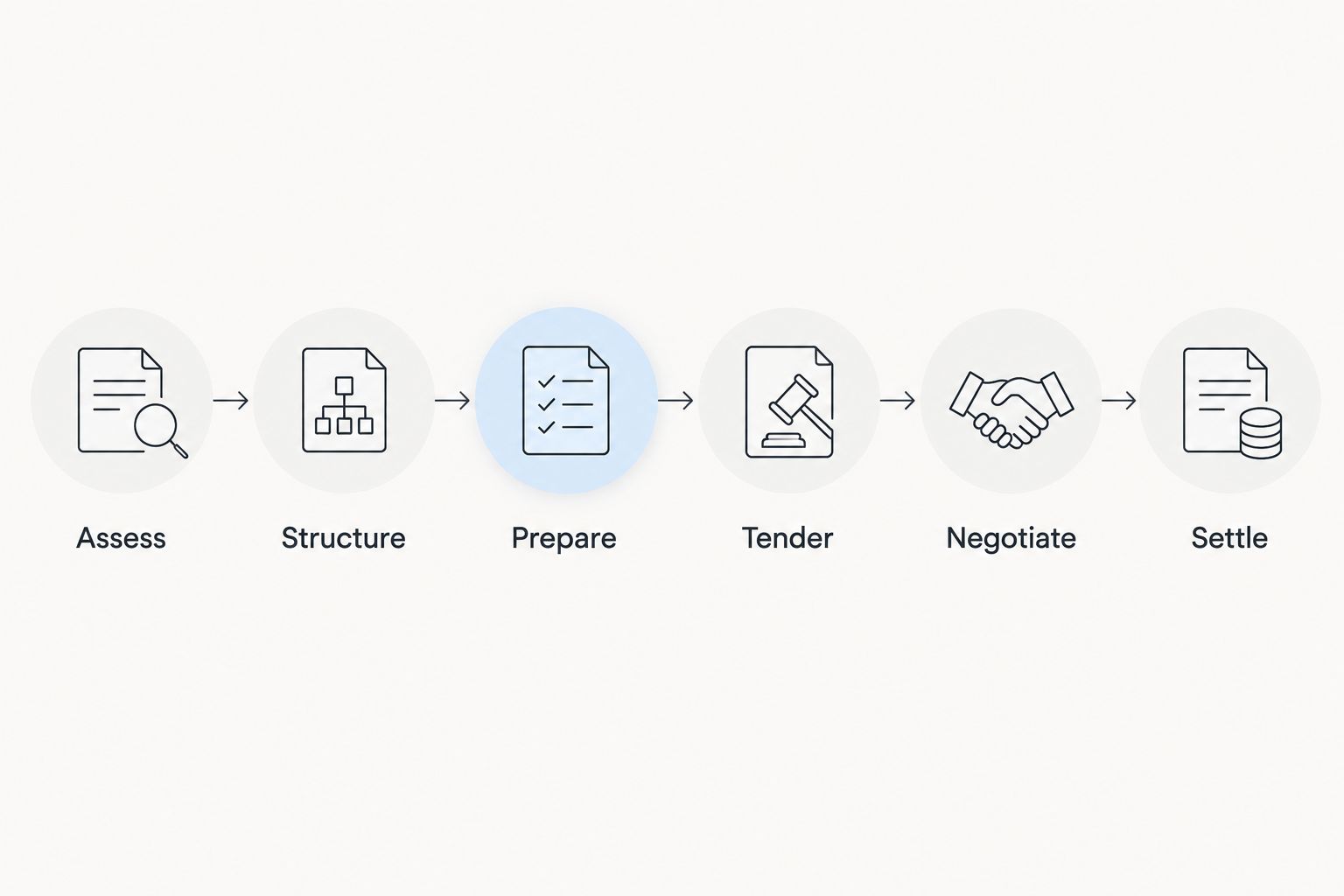
Use these 6 stages to structure your 2026 review. They are a practical comparison framework, not a guarantee that lenders will participate or offer acceptable terms.
Assess
Identify why the business needs funding. Separate recurring working capital requirements from temporary shortfalls, equipment purchases and property expenditure.
Structure
Match the proposed borrowing to its purpose. Consider whether revolving working capital, equipment finance or another commercial facility addresses the actual requirement.
Prepare
Assemble financial statements, current management accounts, cash-flow forecasts and existing facility documents. Include the security and guarantees already supporting your borrowing.
Tender
Give selected lenders a consistent brief. Specify the amount required, intended use, proposed repayment source and existing debt to be refinanced.
Negotiate
Compare written proposals across the same terms. Address security, covenants, repayment requirements and conditions before choosing a preferred offer.
Settle
Check the final documents against the agreed proposal. Coordinate existing facility repayments, security releases and any account changes before relying on the new arrangement.
Discuss the scope of commercial finance services before deciding who will manage the review. Distinguish lender-paid brokerage from debt advisory services, which use a retainer and success-fee structure. Ask which arrangement applies to the proposed engagement and obtain the terms in writing.
Review your commercial borrowing
Discuss working capital, refinancing and your existing banking arrangements.
Why people switch from NAB
A sound reason to consider switching is a mismatch between your current facility and your business requirement. That is a decision criterion, not evidence that NAB has changed its policies or that another provider will accept your application.
Use your 2026 review to identify a specific reason to move:
- The facility no longer matches its purpose: Long-term expenditure is using capacity intended for day-to-day trading.
- Security needs review: You want competing proposals that explain which assets and guarantees each lender requires.
- Repayment terms do not match cash flow: You need to compare how proposed repayments align with customer receipts.
- The business has changed: An acquisition, equipment purchase or property development creates a different borrowing requirement.
- You lack a current comparison: You want evidence before retaining or replacing the existing arrangement.
None of these circumstances establishes that switching is the right answer. Each gives you a question to test through lender proposals.
When staying with NAB is the right call
Stay with NAB when its written terms meet your funding needs and competing proposals do not justify the disruption. A review can support staying as readily as switching.
Compare establishment and exit obligations, security changes, reporting requirements and operational work. Do not move solely because another provider offers a larger facility or describes its process as simpler.
For a 2026 refinancing decision, ask NAB and any alternative lender to address the same business requirement. Keep the existing relationship when the evidence supports it.
FAQ
What are the best NAB alternatives for working capital finance?
The best NAB alternatives depend on whether you need lender comparison, a replacement banking relationship or receivables-linked funding. Glenclair provides commercial finance brokerage; another bank, a non-bank lender or an invoice finance provider represents a different funding route.
Is a commercial finance broker better than applying to NAB directly?
A commercial finance broker suits businesses seeking a comparison across lenders, while a direct NAB application suits owners seeking NAB’s own proposal. Neither route guarantees approval or better terms.
Can I keep NAB transaction accounts and borrow elsewhere?
Assess separate borrowing against the existing and proposed facility documents. Check account conditions, security arrangements and any lender requirements before assuming the facilities can operate separately.
Is invoice finance better than a business overdraft?
Invoice finance is a more direct match when the funding requirement is tied to eligible unpaid customer invoices. Compare eligibility, collections, reporting and repayment arrangements against the proposed overdraft terms.
Do I need to borrow more than A$2 million to seek a review?
A$2 million is not a universal eligibility rule. This guide focuses on established businesses seeking substantial commercial finance, but suitability depends on the borrower, funding purpose and proposed structure.
Does using a broker guarantee a better finance outcome?
No broker can guarantee approval, savings or improved lending terms. Lenders assess the application and determine the conditions they are prepared to offer.
What should I prepare before comparing NAB alternatives?
Prepare financial statements, current management accounts, cash-flow forecasts and existing facility documents. Explain the funding purpose and identify current security, guarantees and repayment obligations.
One last thing
Separate your need for more money from your need for a better borrowing structure. Increasing working capital capacity does not resolve a mismatch between short-term funding and long-term expenditure.
Before seeking proposals, write down what the facility must fund and how the business will repay it. That brief is the starting point for a useful lender comparison.
Related guides
- Equipment finance options for manufacturing businesses
- Truck finance options for Australian transport fleets
- Income requirements for commercial property finance
Author: Glenclair Financial team.