
How much can you borrow against livestock as security?
There is no universal amount you can borrow against livestock as security in Australia in 2026. The limit depends on the lender’s accepted livestock valuation, its lending terms, existing security claims and your capacity to repay; the market value of your herd is not your borrowing limit.
TL;DR
- Livestock finance security does not produce a fixed borrowing limit; valuation, security claims and repayment capacity determine the assessment.
- Glenclair suits Australian business owners seeking an independent commercial finance review, including refinancing existing banking arrangements.
- Compare livestock-backed borrowing with whole-business facilities before committing security.
- Ask how livestock sales, valuation changes and reporting obligations affect the facility.
Why this matters
A valuable herd does not automatically support the facility your business needs. A lender must assess both its security position and the cash available to service the debt. Start with the business’s funding requirement, not a percentage applied to livestock value.
Glenclair is an independent commercial finance brokerage with a panel of 60+ lenders. For an established business reviewing its banking arrangements in 2026, livestock security belongs within that wider review—not in isolation from property, equipment, working capital and existing debt.
How much can you borrow against livestock as security?
Your borrowing limit is the amount a lender approves after assessing the livestock, the proposed security and the business’s repayment capacity. There is no single Australian advance rate that applies to every herd, borrower or facility.
A useful assessment separates the security calculation from the cash-flow calculation:
- Establish ownership. Identify which entity owns the livestock and whether another party has rights over it.
- Confirm the accepted valuation. Ask what valuation basis the lender uses, rather than substituting your expected sale proceeds.
- Apply the lender’s lending terms. Establish how much lending the accepted security supports under the proposed facility.
- Account for existing debt. Check existing facilities, registrations and contractual restrictions affecting the livestock.
- Test repayment capacity. Assess whether operating cash flow or planned livestock sales support the proposed repayments.
These checks explain why a livestock valuation alone cannot answer the question. A business can have substantial livestock assets but insufficient repayment capacity for the requested debt. Equally, existing security arrangements can require consent or restructuring before a new lender will proceed.
Ask for a written explanation of the approved limit and its conditions. Distinguish the total facility limit from the amount you can actually draw, especially where access depends on current livestock values or reporting.
Borrowing against trading livestock
Trading livestock ties the funding discussion to purchase, holding and sale activity. The application should explain what you are buying, how the livestock generates revenue and how the debt will be repaid.
The benefit is a clear connection between the funded activity and the repayment source. The drawback is exposure to changes in sale timing, livestock condition and realised proceeds. A planned sale is not the same as cash already received.
Ask whether the facility permits routine sales and replacement purchases. Also establish whether sale proceeds must reduce the loan immediately or remain available for the next purchasing cycle.
Borrowing against breeding livestock
Breeding livestock requires a different cash-flow explanation from stock acquired for near-term sale. Your application needs to show how the continuing operation services the debt while retaining the animals required for production.
The benefit is that livestock ownership forms part of the business’s broader asset position. The drawback is that selling productive animals to repay debt can conflict with maintaining the operation.
Match repayment obligations to the business’s income cycle. Do not treat a possible disposal of breeding stock as equivalent to recurring operating income.
Which commercial finance structure should you assess?
Livestock security describes part of a security arrangement. It does not, by itself, tell you whether the proposed finance structure fits your business. Compare the funding purpose, repayment source and assets committed before comparing headline terms.
| Structure | Best for assessment when | Main benefit | Main drawback |
|---|---|---|---|
| Livestock-backed facility | Borrowing relates directly to livestock purchases or holdings | Connects the security discussion to the livestock activity | Valuation, sale and reporting conditions need close attention |
| Whole-business facility | Livestock forms part of a wider working capital requirement | Allows the banking review to consider the operation together | Security can extend beyond the livestock |
| Property-secured commercial borrowing | The business is considering property as supporting security | Provides another structure to assess against the funding need | Commits property and can affect future borrowing flexibility |
| Equipment finance | The borrowing purpose is machinery or equipment rather than livestock | Separates an equipment purchase from the livestock funding discussion | Does not itself answer how to fund livestock or seasonal cash needs |
These are structures to assess, not interchangeable approvals. An equipment requirement, for example, should not disappear inside a livestock funding request without examining the effect on working capital.
Glenclair’s commercial finance services cover business loans, refinancing, equipment and property development finance. For a livestock-owning business, the relevant question is which structure fits the commercial purpose—not which security asset appears most valuable.
Why livestock borrowing limits vary
The following factors belong in a livestock security assessment. Their treatment depends on the lender and the facility documents.
- Accepted livestock value. The lender’s valuation basis determines the starting point for its security assessment. Ask how it treats changes in condition and market value.
- Ownership and existing claims. The borrowing entity must be able to grant the proposed security. Existing registrations and finance arrangements need examination.
- Repayment capacity. Financial statements, current trading and cash-flow forecasts explain how the business will service the facility.
- Livestock turnover. Purchases, sales and replacement activity affect how the security position changes during the facility.
- Wider banking arrangements. Property security, guarantees and other facilities can affect the proposed structure and refinancing process.
For a 2026 review, use current financial information and a current account of livestock holdings. Historic financial statements still matter, but they do not explain purchases, disposals or trading changes that occurred afterwards.
Do not assume that a larger herd automatically supports proportionately more debt. The lender still needs to assess repayment capacity and the conditions under which its security remains effective.
How should you prepare a livestock finance application?
Use a structured process that connects the funding request to the business’s actual operations. The following six steps provide a practical sequence for a 2026 banking review.
- Assess. Define the purpose of the borrowing, the amount required and the intended repayment source. Separate refinancing from genuinely additional funding.
- Structure. Identify the borrowing entity, livestock owner, proposed security and facilities that need to remain in place.
- Prepare. Assemble financial statements, current management accounts, cash-flow forecasts, livestock records and existing facility documents.
- Tender. Present a consistent funding request to appropriate lenders so their responses address the same business requirement.
- Negotiate. Compare repayment terms, security coverage, guarantees, reporting obligations and conditions—not just the interest rate.
- Settle. Confirm documentation, security releases, settlement requirements and ongoing obligations before committing to the change.
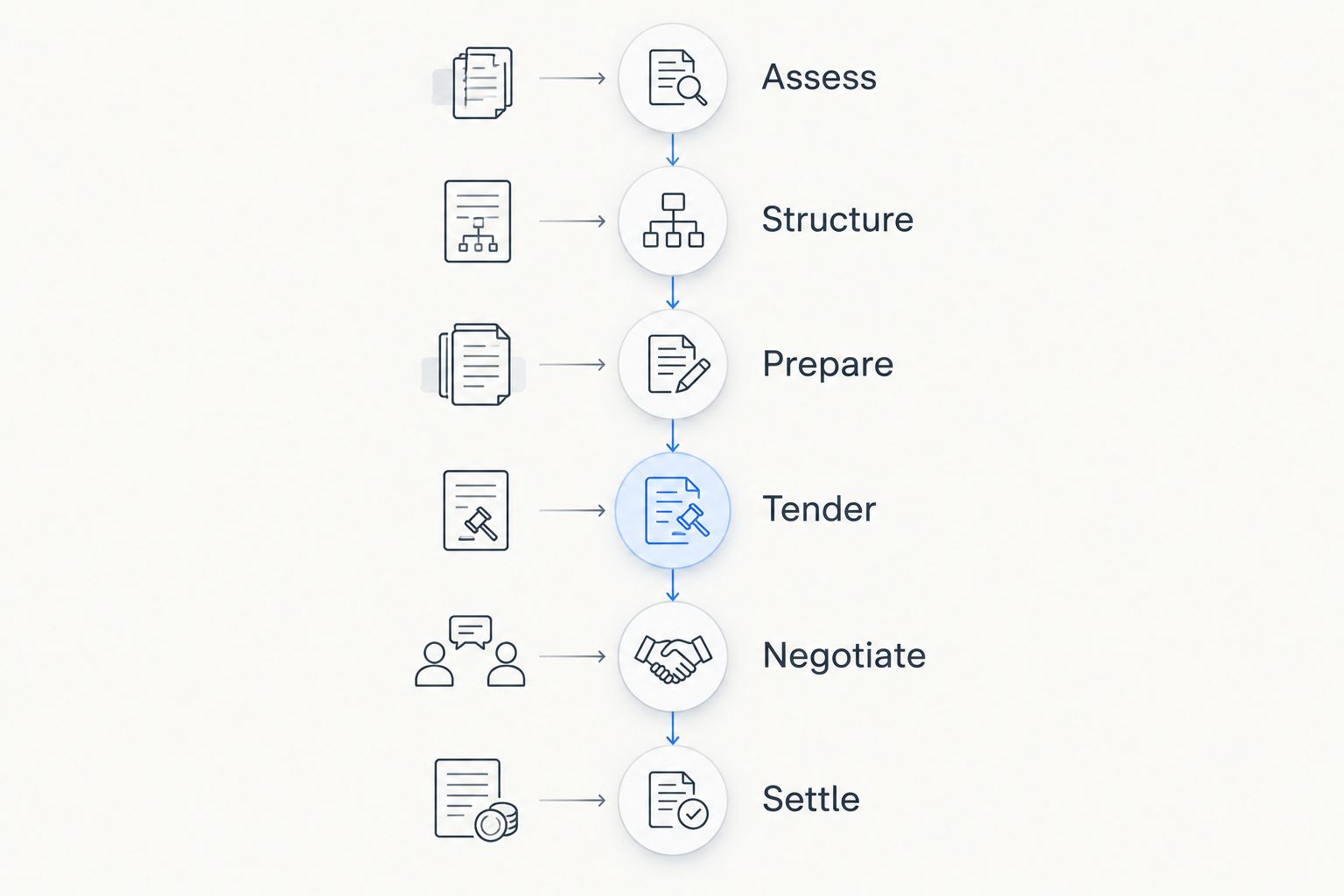
The practical benefit of a consistent tender is comparability. If lenders assess different loan amounts, different security packages or different repayment assumptions, their responses do not answer the same question.
Glenclair’s commercial finance focus includes established Australian businesses seeking business-purpose finance greater than A$2 million. That is a preferred enquiry profile, not a universal eligibility rule; suitability requires a case-by-case assessment.
Review your commercial finance structure
Assess refinancing, security commitments and the funding needs of your wider business.
What records should you have ready?
Prepare records that connect the livestock on hand to the financial position of the borrowing business. A livestock list without ownership information or supporting financials leaves important questions unanswered.
Your preparation should cover:
- Livestock holdings, categories and ownership records.
- The basis and date of any livestock valuation supplied.
- Recent financial statements and current management accounts.
- Cash-flow forecasts showing purchases, operating expenses and expected receipts.
- Existing loan agreements, security documents and guarantee details.
- Details of proposed purchases, sales or changes to the operation.
Keep assumptions separate from confirmed transactions. Identify forecast sales as forecasts and completed sales as completed sales. This makes the repayment case easier to examine without treating uncertain receipts as settled cash.
Can you refinance when livestock already secures a loan?
Refinancing requires an assessment of the existing lender’s security and the proposed replacement arrangements. The new lender needs to understand what security it can obtain, while the outgoing lender’s release requirements need to be addressed.
Review the full security package. A facility described informally as a livestock loan can sit within broader business security arrangements, so the loan’s everyday name is not enough to establish what must be released.
Before accepting replacement terms, establish which facilities move, which remain and whether the change affects guarantees or other assets. A refinancing decision is a banking decision, not just a rate comparison.
Can you sell livestock that a lender holds as security?
Your facility and security documents govern the conditions for selling livestock subject to security. Confirm permitted trading activity, any consent requirements and how sale proceeds must be applied before relying on those proceeds elsewhere.
This matters where selling livestock is ordinary business activity. The finance arrangement needs to accommodate that activity clearly, rather than leave you to discover the conditions when a sale is due.
Ask the lender to explain what happens after a sale: whether debt must reduce, whether replacement livestock is required and whether the undrawn facility remains accessible. Obtain the answer in writing.
What should you compare besides the borrowing limit?
For a 2026 commercial finance decision, compare the obligations attached to the limit as carefully as the limit itself. A larger approved facility does not automatically provide greater operating flexibility.
Check the following points in the proposed documents:
- Drawdown conditions: what must happen before funds can be accessed.
- Reporting obligations: what information you must provide and when.
- Security scope: which assets and entities support the borrowing.
- Guarantees: who provides them and the obligations they create.
- Review conditions: when the lender reassesses the facility.
- Exit requirements: what refinancing or repayment involves.
Also distinguish the engagement model. Lender-paid brokerage is different from debt advisory services, which use a retainer and success-fee structure. Confirm which service you are engaging and how remuneration works before authorising the engagement.
FAQ
How much can I borrow using livestock as security?
There is no universal borrowing amount for livestock security. The lender assesses its accepted valuation, lending terms, existing claims and your business’s repayment capacity.
What percentage of livestock value will a lender advance?
There is no single advance percentage that applies across Australian livestock finance. Ask the proposed lender for its valuation basis, lending terms and conditions affecting the amount you can draw.
Can livestock be the only security for a business loan?
Whether livestock alone is acceptable depends on the lender’s assessment and proposed facility. Confirm the complete security package, including any other assets or guarantees, before accepting terms.
Can I refinance a loan already secured by livestock?
Refinancing requires agreement on the replacement facility and the existing lender’s security release requirements. Review connected facilities and guarantees before deciding which debt to move.
Do I need to sell livestock to repay the loan?
The required repayment source depends on the facility structure. Explain whether repayments will come from livestock sales or wider operating cash flow, and check that the documents match that plan.
Does a larger herd guarantee a larger loan?
A larger herd does not guarantee a larger approved loan. Repayment capacity, accepted valuation and existing security claims still affect the decision.
Is a livestock valuation enough to apply for finance?
A livestock valuation alone does not establish repayment capacity or ownership. Prepare financial information, livestock records and existing facility documents alongside the valuation.
One last thing
Ask what happens to your borrowing capacity after livestock is sold—not just when the loan is approved. The answer connects everyday trading activity with repayment obligations and access to future funding. That is a more useful test of fit than the initial limit alone.
Related guides
- Machinery finance options for agricultural contractors
- Income requirements for commercial property finance
- Truck finance options for Australian transport fleets
By the Glenclair Financial team. General information only; finance suitability and lender terms require individual assessment.