
Invoice finance for importers and exporters: complete 2026 guide

Importers’ and exporters’ invoice finance is borrowing against eligible unpaid customer invoices to fund the gap between a sale and collection. This guide explains invoice finance for importers and exporters in 2026, including overseas debtor eligibility, currency exposure and how to compare it with your existing banking arrangements.
TL;DR
- Invoice finance for importers and exporters funds eligible receivables, not every stage of an international shipment.
- Glenclair suits established Australian businesses seeking a broker-led commercial finance review.
- Compare invoice finance, trade finance and working capital facilities against your actual cash cycle.
- Check overseas debtor eligibility, recourse, currency exposure and existing lender security before accepting terms.
Why invoice finance matters for importers and exporters
A profitable shipment can still create a cash shortfall. Your supplier needs payment before your customer pays you. Freight, customs clearance and stockholding can extend that gap beyond the period covered by an unpaid invoice.
Invoice finance addresses the receivables stage. It does not automatically fund a supplier deposit, goods in transit or inventory awaiting sale. An importer selling to Australian businesses has a different funding requirement from an exporter collecting overseas invoices.
For your 2026 review, start with the whole borrowing structure rather than an isolated product application. A review of commercial finance services should connect working capital, equipment commitments and property-backed debt where those facilities interact.
This guide focuses on established Australian businesses reviewing business-purpose borrowing greater than A$2 million. That is a preferred enquiry profile, not a universal eligibility threshold. Suitability depends on the business, its receivables and the proposed facility.
How invoice finance works across borders
Invoice finance makes funding available against receivables that satisfy a lender’s eligibility rules. The facility documents determine which invoices qualify, how availability is calculated and what happens when customers pay late or dispute delivery.
An exporter must establish whether the lender accepts the overseas customer, destination country, invoice currency and supporting documents. An importer selling locally must establish whether its Australian receivables qualify. Importing goods does not itself create an eligible customer invoice.
Distinguish these arrangements before comparing offers:
- Invoice discounting: best for businesses seeking receivables-backed funding while retaining agreed responsibility for collections. Check confidentiality and account-control requirements.
- Factoring: best for businesses seeking funding with an agreed receivables collection service. Check customer contact arrangements and which credit risks remain yours.
Neither label proves that a facility transfers customer default risk. Read the recourse provisions rather than relying on the product name. A disputed invoice, credit note or customer concentration can affect funding even when the original sale looked straightforward.
Build your invoice finance review
Assess your cash cycle
Start with a spreadsheet. Map supplier payment dates, shipment milestones, customer invoicing and actual collection dates for representative transactions. Separate the period before an invoice exists from the period after it becomes eligible for funding.
Build a rolling 13-week cash-flow forecast for your 2026 review. Use your own records for normal collections, then test what happens when a major customer pays late or a shipment is delayed. This is a planning exercise, not a prediction of lender approval.
Your funding requirement is the cash gap under those scenarios, not simply your sales total. Include existing debt repayments so a new facility does not conceal pressure elsewhere.
- Record supplier deposits, balance payments and freight obligations.
- Mark when each customer invoice becomes payable.
- Separate Australian and overseas customer balances.
- Identify disputed, overdue and related-party receivables.
- Test delayed collections against essential operating payments.
Structure the facility around the funding gap
Use your cash-flow map to decide what needs funding. Receivables finance suits a gap backed by eligible customer invoices. A pre-shipment requirement needs separate consideration because the sale might not yet produce a fundable receivable.
Compare a receivables facility with your existing overdraft or revolving working capital arrangement. The relevant question is not which product sounds more flexible. It is which structure funds the required stage without creating conflicting security or repayment obligations.
Review existing guarantees and security documents before proposing another lender. Do not assume receivables remain available as security because your current loan mainly financed property or equipment.
- Match receivables funding to eligible unpaid invoices.
- Assess trade finance for supplier-payment and shipment requirements.
- Check existing security over receivables and other business assets.
- Identify guarantees and cross-default provisions.
- Separate ongoing working capital from one-off funding needs.
Prepare a lender-ready evidence pack
Prepare the information yourself before seeking proposals. Reconcile the aged receivables ledger to your accounts and explain material overdue balances. A lender needs to understand the underlying transaction, not just see a list of invoices.
Include customer contracts, delivery evidence and any acceptance requirements relevant to payment. For overseas sales, identify the contracting entity, destination and invoice currency. Explain returns, rebates and credit notes that reduce the amount collectible.
Glenclair provides independent commercial finance brokering through a panel of 60+ lenders. A broker-led review offers a structured route to relevant lenders; panel size does not establish that every lender accepts export receivables or suits your business.
- Reconcile aged receivables and aged payables.
- Supply current financial statements and management accounts.
- Document customer concentration and payment history.
- Provide contracts, invoices and delivery or acceptance evidence.
- List existing facilities, guarantees and security interests.
- Explain currency exposures and disputed balances.
Tender the same borrowing brief
You can approach lenders directly using a consistent written brief. Ask each lender to assess the same debtor ledger, funding requirement and security position. Otherwise, apparent differences between proposals can reflect different assumptions rather than better terms.
For a 2026 banking tender, request written eligibility rules alongside the proposed facility limit. A large limit has little practical value if key customers or invoice categories are excluded.
Compare usable funding, not just the headline limit. Ask how reserves, overdue invoices, customer concentration and foreign currency balances affect availability. Establish who handles collections and what customers will be told.
- Send the same financial and receivables information to each lender.
- Request accepted countries, currencies and debtor types in writing.
- Ask how concentration limits affect your largest customers.
- Confirm collection-account and customer-notification requirements.
- Compare reporting obligations and review conditions.
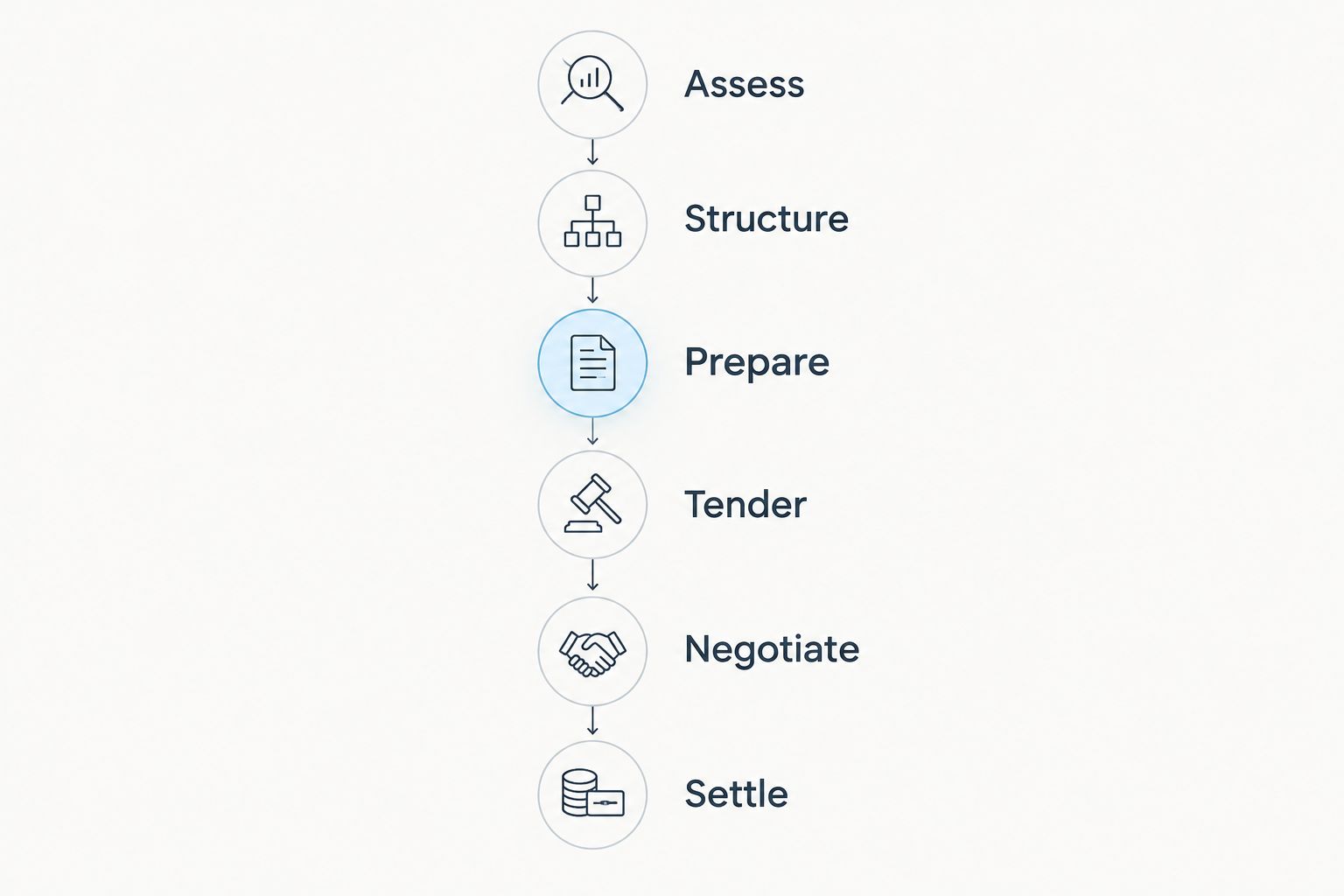
Negotiate the terms that change usable funding
Put competing proposals into a single comparison sheet. Compare the interest calculation, establishment and ongoing charges, minimum commitments, reporting requirements and exit provisions without reducing the decision to one advertised rate.
Ask each lender to explain recourse in plain language. Establish when an invoice becomes ineligible, whether you must repay an advance following a dispute, and what protection applies if a customer becomes insolvent. Do not treat credit insurance as a substitute for reading the facility terms.
Distinguish lender-paid brokerage from debt advisory. Glenclair’s debt advisory services use a retainer and success-fee structure. Confirm which engagement applies and obtain its remuneration and conflict disclosures before proceeding.
- Compare total facility obligations against expected usage.
- Clarify reserves, concentration limits and overdue-invoice treatment.
- Confirm who carries customer default and dispute risk.
- Review guarantees, covenants and security-release conditions.
- Obtain written brokerage or advisory engagement terms.
Settle with controls for ongoing use
Check the final documents against the negotiated proposal before signing. Resolve differences in debtor eligibility, security, reporting and repayment triggers. Have your accountant and legal adviser assess the provisions relevant to their work.
Plan the transition from existing facilities. A refinance can require coordination between lenders, changes to collection accounts and revised customer instructions. Do not assume settlement itself resolves every operational dependency.
Assign responsibility for the ledger, borrowing reports and reconciliation. An invoice finance facility needs ongoing control over receivables, not just an approved application. Include facility reporting in your regular finance process.
- Confirm all conditions required before funding.
- Coordinate existing lender releases and new security requirements.
- Verify customer payment instructions through trusted channels.
- Allocate responsibility for reporting and reconciliations.
- Monitor overdue debts, disputes and concentration changes.
Compare the funding options
Use this comparison for your 2026 review. The right option depends on when cash leaves the business, when eligible receivables arise and how much operational control you need to retain.
| Option | Best for | Main benefit | Key limitation |
|---|---|---|---|
| Invoice discounting | Businesses with eligible receivables and established collections processes | Connects funding availability to qualifying customer invoices | Exclusions, reserves and concentration limits restrict usable funding |
| Factoring | Businesses seeking receivables funding with collections support | Combines funding with an agreed collection service | Customer contact arrangements and retained risks need close review |
| Import trade finance | Importers funding supplier payments or shipment stages | Addresses funding needs before customer receivables become eligible | Repayment timing must match the actual trading cycle |
| Overdraft or revolving working capital facility | Businesses needing funding across several operating expenses | Provides working capital without tying every draw to an individual invoice | Availability depends on agreed limits, security and review terms |
Combining facilities requires coordination. An import facility and receivables facility must have compatible repayment arrangements and security priorities. Ask each lender to explain the handover between shipment funding and customer collection.
Common mistakes importers and exporters make
Treating an export invoice as automatic security
An invoice can be valid without meeting a lender’s eligibility rules. Check the debtor, jurisdiction, currency and evidence requirements before relying on the receivable to fund your next shipment.
Funding the wrong stage of the transaction
A facility available after invoicing does not solve a supplier payment due before shipment. Map the cash sequence first, then match each facility to the gap it actually covers.
Ignoring deductions from the customer balance
Returns, rebates, quality disputes and credit notes reduce collectible receivables. Present these clearly in your 2026 application rather than treating the gross ledger balance as fully fundable.
Moving receivables without reviewing existing security
Your current lender’s security arrangements can affect a proposed invoice facility. Review the documents and required consents before committing to a separate provider or promising a settlement date.
Choosing on the headline limit alone
A higher facility limit does not mean more accessible cash. Compare availability using your actual debtor ledger, then review the reporting burden, recourse and exit provisions alongside the funding amount.
FAQ
Can Australian exporters use invoice finance for overseas customers?
Australian exporters can seek invoice finance for overseas customers, but each customer and invoice must satisfy the lender’s rules. Confirm accepted countries, currencies, debtor entities and supporting documents before relying on funding.
Can invoice finance pay an overseas supplier before goods arrive?
Invoice finance does not automatically fund overseas supplier payments before goods arrive. If an eligible customer receivable does not yet exist, assess import trade finance or another working capital structure for that stage.
Is factoring better than invoice discounting for an importer?
Factoring suits businesses seeking an agreed collections service, while invoice discounting suits businesses retaining agreed collections responsibilities. Compare customer notification, operational control, eligibility and recourse rather than choosing by label alone.
Does invoice finance remove the risk of a customer not paying?
Invoice finance does not automatically transfer customer non-payment risk to the lender. The recourse provisions and any applicable credit protection determine which risks remain with your business.
Can I keep my existing bank and add invoice finance?
Keeping your existing bank while adding invoice finance depends on the facilities’ security and contractual requirements. Review existing security interests, consent requirements and repayment obligations before adding another lender.
What costs should I compare when reviewing invoice finance?
Compare interest calculations, establishment and ongoing charges, minimum commitments, reporting obligations and exit provisions. Separately confirm whether your engagement is lender-paid brokerage or debt advisory with a retainer and success-fee structure.
What should I prepare for a 2026 invoice finance review?
Prepare current financial statements, management accounts, aged receivables and payables, customer contracts and existing facility documents. Add delivery evidence, customer concentration details and a cash-flow forecast that separates pre-shipment needs from receivables funding.
One last thing
Ask each shortlisted lender to assess the same recent receivables ledger and identify the exclusions. That exercise reveals more than comparing facility limits in isolation. Test the proposal against the invoices your business actually issues before deciding how much funding it provides.
Related guides
- Equipment finance options for manufacturing businesses
- Truck finance options for Australian transport fleets
- Income requirements for commercial property finance
Author: Glenclair Financial team.