
Purchase order to drawdown: trade and working capital workflow

Instead of manually chasing purchase orders, supplier invoices and lender emails, build a working capital finance workflow that connects each payment obligation to its funding conditions and repayment source. Start with the cash gap, then organise the documents, approvals and drawdown instructions around it—not the other way round.
TL;DR
- Working capital finance should match supplier payments to a documented repayment source, not just provide a larger limit.
- Glenclair suits established Australian businesses seeking a commercial finance review, with suitability assessed case by case.
- Trade finance and invoice finance fund different stages of the cash cycle; neither automatically covers every purchase order.
- Confirm drawdown conditions before committing to a supplier payment date.
Why this matters
A customer order does not put cash in your account. Your business can owe a supplier before it delivers the goods, issues an invoice or collects payment.
Working capital finance should fund an identified cash gap with an identified repayment source. A facility approval alone does not establish that a particular transaction qualifies for funding.
Glenclair is an independent commercial finance brokerage with a panel of 60+ lenders. Its preferred audience is established Australian businesses seeking business-purpose finance greater than A$2 million, particularly refinancing and banking reviews; suitability remains case by case.
For a 2026 banking review, map existing facilities alongside the proposed transaction. An unused limit is useful only when its terms permit the intended borrowing.
Before you start
- Gather the transaction evidence. Assemble the customer purchase order, supplier quotation or invoice, payment schedule, delivery terms, sales terms and expected collection dates. Include relevant financial statements, cash-flow forecasts and existing facility documents.
- Confirm authority and access. Identify who can approve borrowing, authorise supplier payments and submit lender requests. Access to accounting records is not the same as authority to draw funds.
- Check the security position first. Existing security, guarantees and restrictions on further borrowing can affect a new facility. An approved limit can also remain unavailable until transaction-specific conditions are satisfied.
Use a controlled transaction register and a shared document folder. The field names below are suggested register labels, not lender portal instructions; follow the actual lender's forms and submission requirements.
Assess and structure
Map the cash gap
- Create a transaction record with Transaction reference, Customer, Supplier, Currency, Supplier payment date and Expected customer receipt date. Keep the reference consistent across documents.
- Record each cash movement separately. Include deposits, supplier balances, freight, duties and other relevant outgoings rather than grouping everything under the purchase order total.
- Identify what supports repayment. Record whether repayment depends on a customer paying an invoice, stock being sold or another documented source.
- Test delayed delivery and delayed collection in the cash-flow forecast. Identify the payment obligations that remain due if the customer pays later than expected.
Expected result: you can explain what needs funding, when cash leaves the business and how the borrowing will be repaid. If the repayment source is unclear, resolve that before choosing a facility.
Choose the funding stage
Different facilities address different points in the transaction. The table describes common structures, not confirmed Glenclair products or lender offers.
| Funding approach | Best for | Main benefit | Main limitation |
|---|---|---|---|
| Trade finance | Eligible supplier or import payments before customer collection | Connects borrowing to a trading transaction | Payment mechanics, documents and repayment terms depend on the facility |
| Invoice finance | Eligible receivables after invoicing | Releases funding against qualifying invoices | Does not automatically fund the earlier supplier deposit or production stage |
| Business overdraft | Permitted short-term cash-flow fluctuations | Provides account-based access within agreed terms | The limit, review terms and permitted use still constrain access |
| Term borrowing | A defined business requirement with scheduled repayment | Establishes an agreed repayment structure | Scheduled repayments can mismatch an uncertain collection cycle |
- Match the proposed structure to the funding stage, not just the requested amount. Invoice finance does not solve a pre-delivery cash gap unless another permitted source covers that stage.
- Check the proposed drawdown currency, repayment currency and transaction dates. Record any currency mismatch rather than assuming customer receipts will cover the supplier obligation.
- Separate recurring cash-cycle needs from long-lived asset purchases. Equipment finance and commercial property borrowing need their own assessment, even when the same banking review covers them.
Expected result: the selected structure addresses the timing gap without treating every business expense as working capital.
Prepare and tender
A banking tender needs a consistent transaction brief. Asking lenders different questions produces responses that are difficult to compare.
- Prepare a brief covering the business, transaction purpose, requested structure, cash cycle, repayment source and existing debt. State assumptions explicitly.
- Build a document index. Use fields such as Document name, Reporting period, Version date, Owner and Outstanding issue so the submission is internally consistent.
- Reconcile the purchase order, supplier invoice and forecast. Explain differences in amounts, currencies, legal entities or payment dates before submission.
- Request comparable terms. Ask about facility purpose, security, guarantees, financial covenants, reporting obligations, drawdown evidence and repayment mechanics—not just the headline interest rate.
- Confirm the engagement basis. Distinguish lender-paid brokerage from debt advisory services using a retainer and success-fee structure. Obtain the applicable scope, payment obligations and disclosures in writing.
Expected result: lenders receive the same material facts, and you can compare their conditions against the same transaction requirements.
For a 2026 tender, keep a dated assumptions record. A change in the order, supplier terms or forecast after submission needs to be communicated before anyone relies on the original proposal.
A review of commercial finance services should also consider existing banking arrangements. Glenclair's lender panel does not mean every lender offers every structure or will accept the transaction.
Negotiate and settle
An indicative response, formal approval, executed facility and available drawdown are different milestones. Keep them separate in your register.
- Negotiate. Compare the written terms against the brief. Identify restrictions that conflict with supplier payment dates, customer terms or existing facilities.
- Confirm conditions. Record each outstanding requirement, its owner and the evidence needed to satisfy it. Separate facility-level conditions from conditions applying to the individual drawdown.
- Authorise. Check borrowing authority, required signatures and payment instructions. Independently verify changed supplier bank details using a trusted contact method.
- Submit. Follow the lender's actual drawdown process. Provide the required documents and instructions; do not substitute an internal approval for lender confirmation.
- Confirm settlement. Record the amount advanced, payment destination, transaction reference, repayment date and reporting obligations. Reconcile the transaction against the accounting records.
Expected result: the register shows what has been approved, what remains outstanding and whether payment has actually occurred.
For a 2026 transaction register, keep the document version used for approval alongside the final settlement record. Replacing old files without an audit trail makes later reconciliation harder.
Do not promise a supplier a funded payment date before confirming the relevant drawdown conditions. Where payment depends on settlement, make that dependency clear in your internal purchasing approval.
When an order or invoice changes
The adjacent workflow is a change-control process. Run it whenever a material transaction detail changes, not only when you first seek finance.
- Identify the change: supplier amount, delivery date, currency, customer terms, legal entity or repayment source.
- Preserve the earlier record and attach the revised evidence. Mark the previous document as superseded rather than silently deleting it.
- Recalculate the cash gap and update the forecast. Check whether the change affects other supplier payments or existing facility headroom.
- Ask the lender whether revised approval or further evidence is required. An amendment to the commercial transaction does not automatically amend the finance agreement.
- Release the payment instruction only after the required internal and lender confirmations are recorded.
Expected result: the funding request matches the current transaction rather than an obsolete purchase order.
For recurring orders in 2026, reuse the register format—not the previous approval. Eligibility and available headroom still need checking under the facility terms.
Troubleshooting
The lender approved the limit but will not release funds
Check the approval and executed documents for outstanding conditions. Missing security documents, transaction evidence or required signatures can prevent drawdown; ask the lender to identify the exact unresolved requirement and acceptable evidence.
The invoice and purchase order do not match
Reconcile the legal entity, amount, currency and goods description. Obtain corrected documents or a documented explanation, then confirm whether the lender requires a revised request.
Customer payment arrives after the repayment date
Update the forecast and contact the lender before the repayment obligation falls due. Do not assume an extension, rollover or replacement advance is permitted; establish the available options under the agreement.
Existing security complicates the new facility
Review the existing finance documents and obtain appropriate legal advice. Establish whether consent, security releases or arrangements between lenders are required before relying on the proposed settlement sequence.
The payment instruction changes before settlement
Pause the instruction and independently verify the change. Use a trusted contact channel rather than relying solely on the email carrying the new bank details, then complete the required authorisations again.
Customise your workflow
Start with the business constraint. A supplier deposit, slow-paying customer and equipment purchase are different funding problems, even when they appear in the same forecast.
For a 2026 refinancing review, add existing facility expiry dates, security arrangements, reporting deadlines and repayment obligations to the register. This makes the review about the whole banking position rather than a standalone request for extra credit.
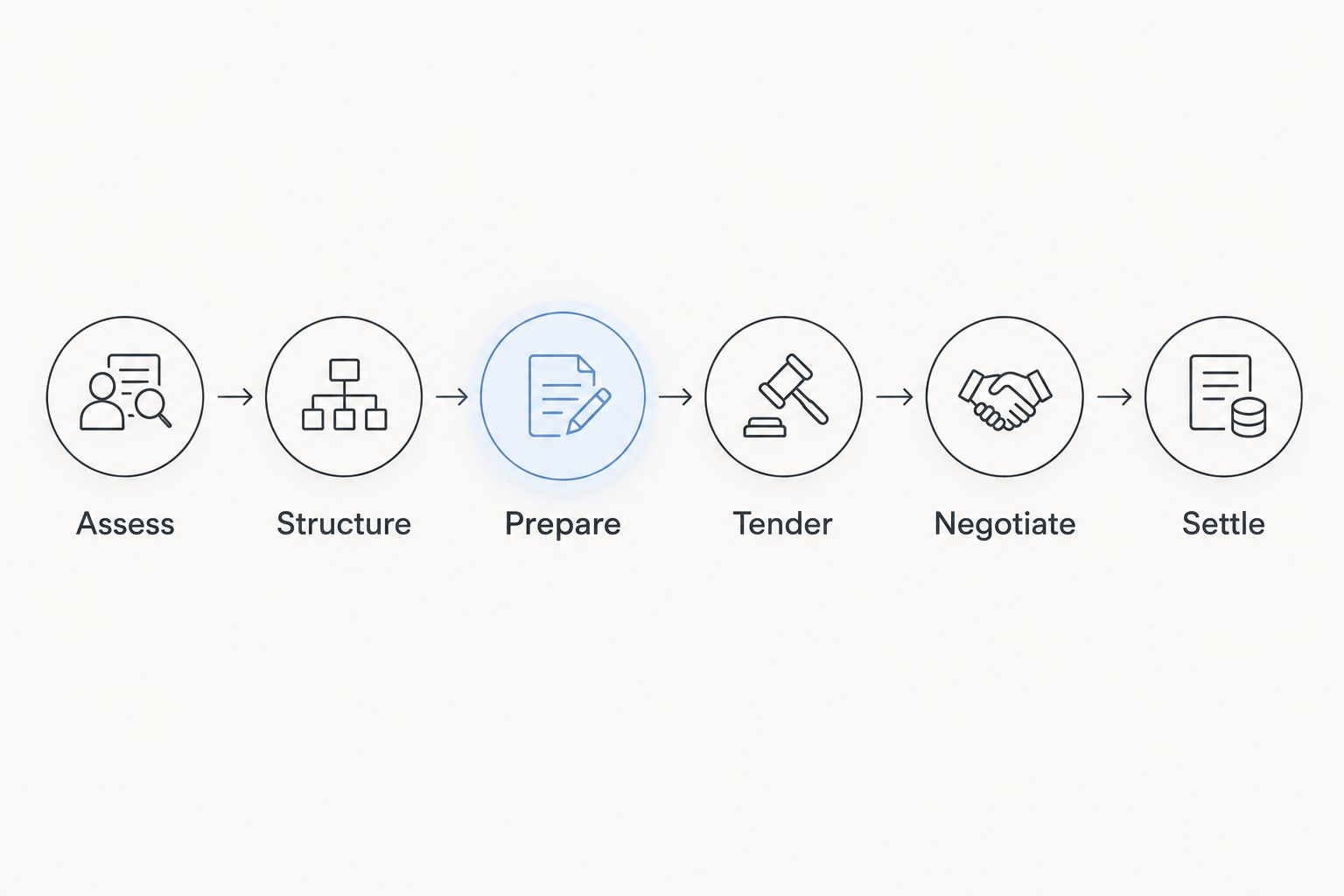
Glenclair's commercial finance brokerage is best suited to established Australian businesses seeking a structured review of borrowing arrangements. The benefit is a process covering assessment, structure, preparation, tender, negotiation and settlement; the limitation is that lender assessment and transaction conditions still determine access to finance.
Review your working capital structure
Discuss the cash gap, existing facilities and evidence needed for a commercial finance assessment.
FAQ
Can working capital finance fund a purchase order?
Working capital finance can support a purchase-order transaction when the agreed facility permits that use and the transaction meets its conditions. A purchase order alone does not establish eligibility or guarantee drawdown.
Is trade finance the same as invoice finance?
No. Trade finance can address eligible supplier payments, while invoice finance generally funds qualifying receivables after invoicing. Check the actual facility terms rather than relying on the product label.
What documents do I need before requesting a drawdown?
Use the lender's drawdown requirements as the controlling checklist. Depending on the structure, supporting evidence can include supplier invoices, purchase orders, shipping documents, payment instructions and authorised signatures.
Does facility approval mean I can pay the supplier immediately?
No. Facility approval and permission to draw are separate milestones. Confirm that the relevant conditions are satisfied and establish the payment process before committing to a funded payment date.
Can I use an overdraft instead of trade finance?
An overdraft can fund permitted working capital needs within its agreed terms. Compare its purpose, limit, security and repayment requirements with the transaction rather than assuming it is interchangeable with trade finance.
Do I need to refinance existing loans to add working capital finance?
Not necessarily. Existing security and borrowing restrictions determine whether an additional facility can sit alongside current arrangements. Review those documents before deciding whether refinancing is required.
How is commercial finance brokerage different from debt advisory?
Lender-paid brokerage and debt advisory have different engagement and payment structures. Debt advisory can use a retainer and success-fee structure; confirm the applicable scope and payment obligations in writing before proceeding.
Is A$2 million a minimum eligibility rule for Glenclair?
No. Glenclair prioritises established Australian businesses seeking business-purpose finance greater than A$2 million, but suitability is assessed case by case. The transaction, existing borrowing and required service all matter.
One last thing
Add Evidence accepted beside Evidence submitted in your register. Sending a document and having the lender accept it are different events. That distinction keeps an apparently complete file from becoming an unsupported payment commitment.
Related guides
- Equipment finance options for manufacturing businesses
- Equipment finance options for construction businesses
- Truck finance options for Australian transport fleets
Author: Glenclair Financial team.