
Can you get 100% finance for new equipment?

Yes. 100% equipment finance can fund the full purchase price of new business equipment, subject to the lender accepting your business, the asset and the proposed loan structure. It does not automatically cover delivery, installation, insurance or other expenses, so a no-deposit purchase can still require cash upfront.
TL;DR
- 100% equipment finance means financing the full purchase price, not necessarily every cost of putting equipment to work.
- Glenclair is suited to Australian business owners comparing equipment finance within wider commercial borrowing.
- Compare cash retained against repayments, security requirements and any final balloon payment.
- Get written confirmation of the financed amount before committing to an equipment purchase.
Why this matters
Keeping cash in your business is useful only if the resulting debt fits your cash flow. Funding the entire equipment purchase preserves money at settlement but leaves you repaying more principal than an otherwise identical loan with a deposit.
For your 2026 borrowing review, treat equipment funding as part of the business's wider banking position. The commercial finance services relevant to that review can include equipment borrowing, refinancing and working capital. A stand-alone equipment approval does not establish that the overall debt structure suits your business.
Can you get 100% finance for new equipment?
Yes, but approval and the meaning of the financed purchase price must be confirmed in writing. A lender assesses whether the equipment is acceptable security and whether your business can service the proposed debt. Asking for full funding does not remove either assessment.
Start with the supplier's itemised quote. Then ask the lender to identify exactly which amounts appear in the finance agreement and which amounts you must pay separately. An approval described as full finance is not enough if its scope remains unclear.
| Funding approach | Best for | Main benefit | Main limitation |
|---|---|---|---|
| 100% equipment finance | Businesses prioritising cash retention, with capacity for the proposed repayments | Avoids a contribution towards the financed purchase price | Leaves more principal outstanding than the same purchase with a deposit |
| Equipment finance with a deposit | Businesses able to contribute cash without weakening working capital | Reduces the amount borrowed | Uses cash that would otherwise remain in the business |
Neither approach wins automatically. Compare them using the same equipment, repayment term and final-payment assumptions. Otherwise, a lower regular repayment can conceal a different repayment structure rather than a smaller obligation.
What does the financed amount actually include?
Separate the equipment's purchase price from the cost of making it operational. Delivery, installation, commissioning, attachments and training can sit on different invoices or appear as separate quote items. Their inclusion in the loan depends on the lender's terms.
Ask how the proposal treats GST and any required insurance. Do not assume a tax treatment, refund or deduction will supply cash when a payment falls due; confirm your position with your accountant.
For a 2026 purchase, reconcile the current supplier quote against the proposed settlement instructions. If the lender pays only selected items, your business needs a plan for the balance before ordering.
How do you check whether full funding is suitable?
Use the following process before accepting an equipment quote. The objective is not simply to obtain the largest advance. It is to match the equipment purchase with a repayment structure your business can support.
- Assess. Identify why the equipment is needed and how the business will service the debt. Separate existing cash flow from income that depends on future contracts or increased production.
- Structure. Set out the proposed borrower, asset ownership, repayment term and any final balloon payment. Identify guarantees and other security requirements before comparing repayments.
- Prepare. Assemble the supplier quote, business financial information and details of existing borrowing. Explain the commercial purpose of the purchase and any seasonal cash-flow pattern.
- Tender. Seek comparable proposals from suitable lenders. Use the same purchase details and requested structure so differences remain visible.
- Negotiate. Compare the full terms, not just the regular repayment. Resolve exclusions, security requirements and settlement conditions before selecting a proposal.
- Settle. Check the final documents against the accepted terms. Confirm who pays the supplier, what your business must contribute and when repayments begin.
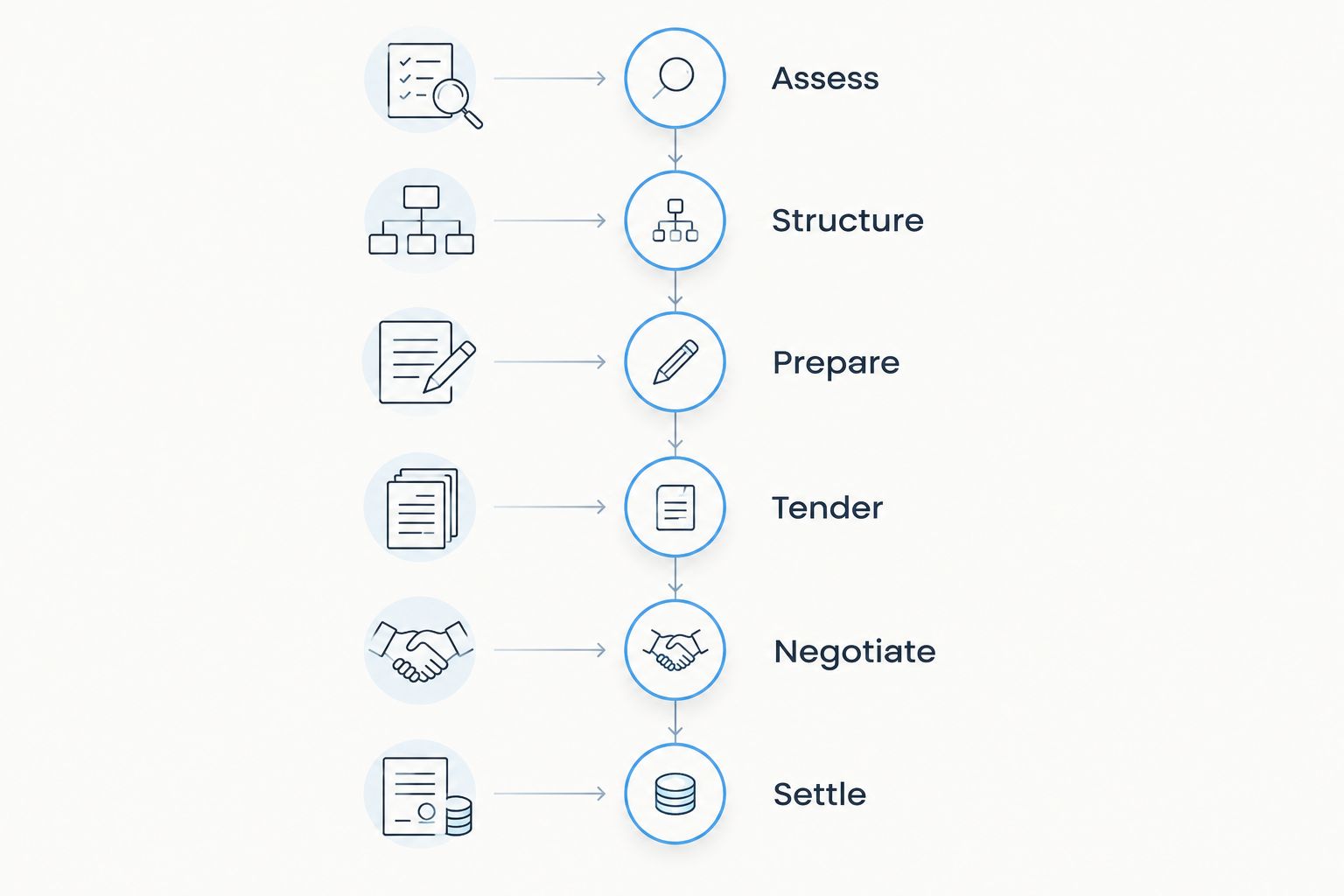
A lender's conditional approval is not the same as completed settlement. Avoid committing to a non-refundable supplier obligation unless you understand the finance conditions and the purchase contract. Confirm delivery and payment arrangements with both parties.
Why 100% equipment finance approval varies
The percentage requested is only part of the application. Lenders also assess the borrower, equipment and repayment obligations. These factors explain why the same request can receive different terms:
- Repayment capacity. The business needs sufficient cash flow to meet the proposed repayments alongside existing commitments. An equipment purchase does not erase other debt obligations.
- Financial evidence. Accounts, bank statements and supporting records help establish the business's position. The information required depends on the lender and application.
- Equipment acceptability. The asset's type, identifiable ownership and resale market affect its usefulness as security. A supplier's invoice alone does not establish lender acceptance.
- Existing borrowing. Current loans, guarantees and security arrangements can affect how a new facility is structured. Check whether existing lender consent is required.
- Loan structure. The requested term, repayment pattern and balloon payment affect the debt remaining over time. Compare the structure against the equipment's expected business use.
- Credit and security requirements. The lender considers the applicant's credit position and the protections required under its terms. Full funding does not mean unsecured borrowing.
Ask what condition prevents full funding before changing the application. A required contribution, an unacceptable asset and insufficient servicing capacity are different problems. They should not receive the same response.
Does no deposit mean no upfront payment?
100% equipment finance does not mean every upfront payment disappears. The loan can cover the accepted purchase price while other expenses remain payable by your business.
Before settlement, request a written reconciliation showing the supplier invoice, lender payment and any amount you must contribute. Check whether the supplier requires a payment before delivery and how that payment is handled in the finance arrangement.
Do not confuse retained cash with reduced expenditure. Financing the purchase changes when your business pays for the equipment; it does not make the purchase obligation disappear.
Is full funding better than paying a deposit?
100% equipment finance is better suited to cash retention, not automatically to lower total borrowing costs. A deposit reduces principal, while full funding leaves more cash available for other business obligations.
Test both structures against a realistic cash-flow forecast. Include maintenance, insurance and operating expenses, as well as existing debt repayments. Equipment that supports revenue can still create a cash-flow mismatch if repayments begin before the related receipts arrive.
For your 2026 decision, compare the amount retained at settlement with the ongoing obligations accepted in return. Keeping cash has a purpose only when that purpose is clear.
Check the balloon, not just the regular repayment
A balloon payment leaves an agreed portion of principal due at the end of the loan. That can reduce regular principal repayments compared with an otherwise equivalent structure without a balloon, but it creates a separate final obligation.
Ask to see the final payment alongside the repayment schedule. Then identify how your business expects to meet it. Sale proceeds, retained cash and refinancing are different exit plans, and none should be treated as an assured outcome.
Do not assume the equipment's future sale value will match the balloon. Asset condition, usage and the resale market affect what a buyer will pay. A final payment remains a contractual obligation even when the asset sells for less than expected.
Choose a repayment structure you can explain without relying on future refinancing approval. If the plan depends on refinancing, recognise that a future lender will make a fresh assessment.
Fit the purchase into your banking review
For established businesses considering business-purpose borrowing greater than A$2 million, assess the equipment facility alongside the wider banking arrangements. That is a planning focus, not a universal eligibility threshold; suitability requires a case-by-case assessment.
Your 2026 banking review should identify which assets support which facilities and what guarantees apply. Ask whether the equipment proposal adds separate security obligations or interacts with existing arrangements. Do not assume a separate lender means a separate risk position.
Glenclair is an independent commercial finance brokerage with a panel of 60+ lenders. A panel provides a basis for comparing suitable lenders; it does not mean every lender accepts every asset or that an application will receive approval.
Distinguish lender-paid brokerage from debt advisory work before engaging either service. Debt advisory uses a retainer and success-fee structure. Confirm the engagement scope, remuneration and responsibilities in writing rather than assuming every commercial finance service uses the same arrangement.
Review your equipment borrowing
Assess the equipment purchase alongside existing loans, security and wider commercial funding needs.
What should you have ready before seeking terms?
An organised application starts with a clear purchase and a clear borrowing purpose. Prepare the current supplier quote, details of the purchasing entity, relevant financial records and a schedule of existing facilities. Ask the proposed lender or broker for the specific documents required.
Explain how the equipment fits the business. Replacing an essential machine, adding capacity and entering a new activity present different commercial circumstances. Describe the actual circumstances rather than relying on projected benefits without supporting evidence.
For a 2026 application, check that the documents describe the current position. Flag material changes since the accounts were prepared, including new debt or changes to trading. Consistent information helps the lender assess the request without relying on an outdated picture.
FAQ
Can I get 100% equipment finance for a new business machine?
Yes, 100% equipment finance can cover the full purchase price of a new business machine, subject to lender approval. Confirm whether delivery, installation and other invoice items are included.
Does 100% equipment finance mean I need no cash upfront?
No, 100% equipment finance does not automatically eliminate upfront cash requirements. Expenses excluded from the loan and any supplier payments still need to be addressed.
Is 100% equipment finance unsecured?
Not necessarily; full funding describes the amount financed, not the security arrangement. Check the agreement for security over the equipment, guarantees and any other requirements.
Will a balloon payment make equipment finance cheaper?
A balloon payment does not by itself establish that equipment finance is cheaper. It leaves principal due at the end, so compare the complete repayment schedule and final obligation.
Can I include equipment finance in a business refinancing review?
Yes, equipment finance can be assessed alongside a review of existing business borrowing. Compare repayment obligations, security and any conditions affecting a change of lender.
Does Glenclair guarantee approval for full equipment funding?
No finance outcome is promised. Glenclair assesses commercial finance suitability case by case and works through a panel of 60+ lenders.
Should I pay a deposit if my business has the cash?
A deposit reduces the amount borrowed, but it also reduces cash retained in the business. Compare both structures against working capital needs and the complete loan obligations before deciding.
One last thing
Ask for a settlement reconciliation before signing, not after the equipment arrives. It should make the supplier payment, your contribution and any separately payable items clear. This simple check tests whether full funding means what you expect it to mean.
The useful question is not just whether you can borrow the full purchase price. It is whether the complete arrangement leaves your business with manageable repayments, understood security obligations and enough cash to operate.
Related guides
- Equipment finance options for construction businesses
- Machinery finance options for earthmoving contractors
- Equipment finance options for manufacturing businesses
- Truck finance options for Australian transport fleets
Author: Glenclair Financial team.