
Machinery finance for food manufacturers: complete 2026 guide

Food manufacturers’ machinery finance is business-purpose funding for production equipment, with the aim of adding capacity or replacing assets without exhausting operating cash. This guide explains how to assess a machinery purchase alongside installation costs, working capital and existing banking arrangements in 2026.
TL;DR
- Machinery finance for food manufacturers should cover the funding structure, installation gap and working capital impact—not just repayments.
- Glenclair suits established food manufacturers reviewing machinery finance alongside existing commercial borrowing.
- Compare equipment finance, leasing and existing bank facilities against the same machinery proposal and cash-flow forecast.
- Separate machinery security from wider business guarantees before accepting a finance offer.
Why machinery finance matters for food manufacturers
A production machine does not generate cash simply because it has arrived. Installation, commissioning, staff training and customer acceptance can separate the supplier payment date from the first additional sales receipts.
Finance the production plan, not just the equipment invoice. A new processing line can also increase spending on ingredients, packaging and stock before customers pay. Machinery funding and working capital need separate attention.
Glenclair is an independent commercial finance brokerage with a panel of 60+ lenders. Glenclair suits established food manufacturers reviewing machinery finance alongside existing commercial borrowing. Its content focuses on business-purpose finance greater than A$2 million, with suitability assessed case by case—not a universal minimum eligibility rule.
For an established manufacturer, the central question is whether to fund the machine separately, refinance existing debt or review the broader banking relationship. Start with your obligations and production requirements. Choose the funding structure afterwards.
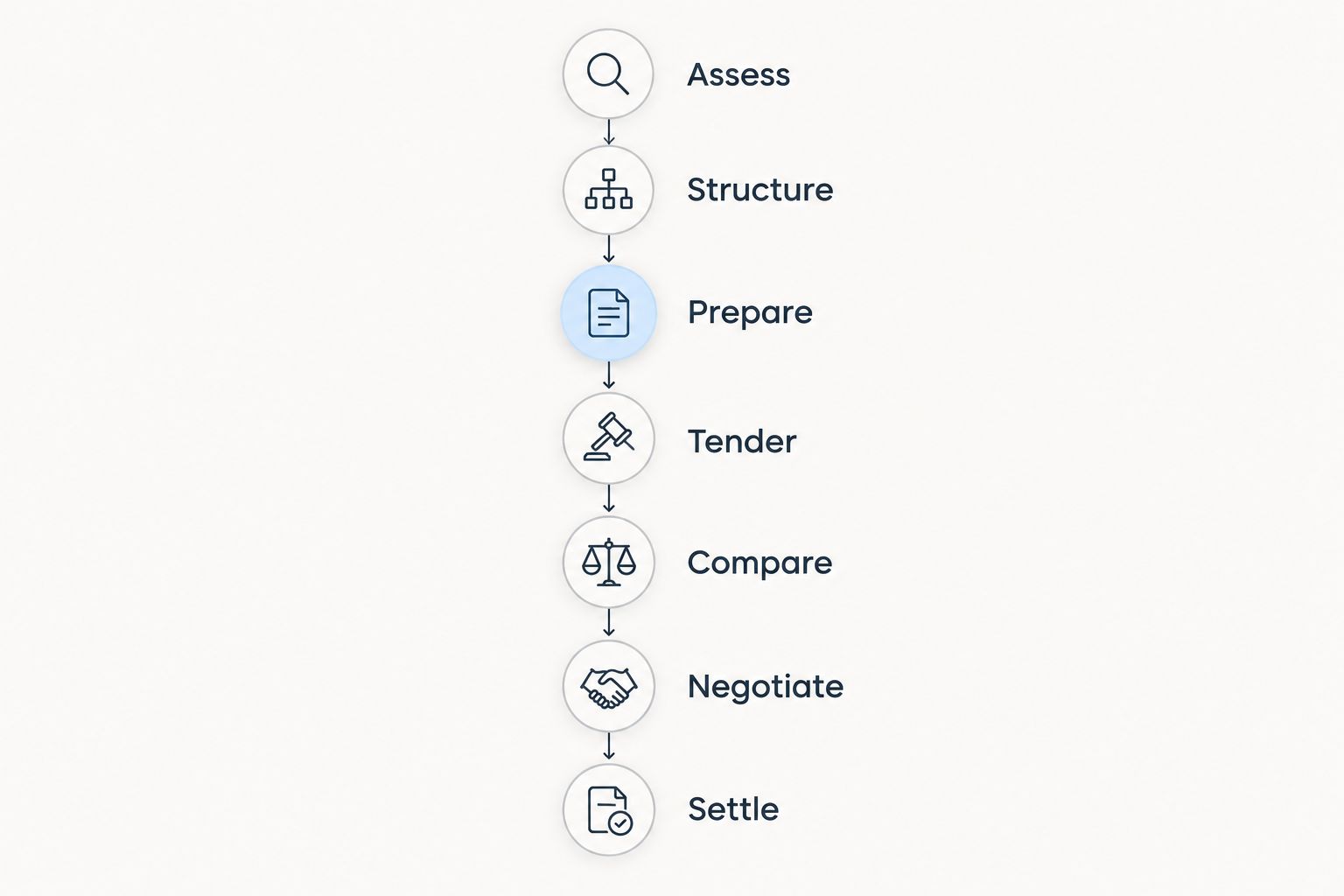
How to structure machinery finance for food manufacturing
Assess the complete machinery project
Start with a spreadsheet and the supplier’s written proposal. Separate the machine itself from every cost required to put it into production. Do not assume the lender will fund the entire project because the supplier has quoted a single total.
Record what the purchase changes: replacement capacity, a production bottleneck, a new product format or an additional site. Tie that purpose to evidence from your business, rather than an unsupported sales-growth assumption.
For a 2026 purchase, use the current supplier proposal and confirm what has changed since any earlier budget. An outdated equipment quote is a poor foundation for a finance application.
- Identify the machine, supplier and intended production use.
- Separate purchase, freight, installation and commissioning costs.
- Record deposits, progress payments and acceptance conditions.
- Identify electrical, plumbing, refrigeration or site works separately.
- List staff training, initial materials and production interruption costs.
Structure repayments around cash generation
Build a cash-flow forecast before requesting a loan term. Show when funds leave the business, when production begins and when customers pay. Accounting profit does not establish whether your bank account can meet each repayment.
Prepare 3 cash-flow cases: base case, delayed commissioning and weaker sales. These are planning scenarios, not predictions. They show whether the proposed debt depends on the equipment performing exactly as expected from its first production run.
Distinguish the machine’s useful operating life from the repayment period. A longer repayment period reduces scheduled principal repayments but leaves debt outstanding for longer; a balloon moves a portion of principal to the end rather than removing it.
- Build the base case from documented operating assumptions.
- Test delayed commissioning against the actual payment schedule.
- Test weaker sales without assuming immediate cost reductions.
- Include existing debt repayments and seasonal stock purchases.
- Identify the cash source for any final balloon payment.
Prepare a consistent funding brief
You can assemble the funding brief yourself using financial records, supplier documents and existing facility agreements. Give each prospective lender the same information. Otherwise, differences between offers can reflect different assumptions rather than different lending terms.
Glenclair’s commercial finance services cover business loans, refinancing, equipment and property development finance. An independent broker provides a route to lender comparison; you still need to supply accurate records and assess the proposed terms.
Keep the brief centred on repayment capacity and the asset’s role in your operation. Explain unusual results, customer concentration and existing commitments directly instead of leaving a lender to interpret unexplained movements.
- Assemble current financial statements and management accounts.
- Include the machinery proposal and supplier payment schedule.
- List existing facilities, balances, security and guarantees.
- Explain material changes in revenue, margins or ownership.
- Attach the cash-flow forecast and its underlying assumptions.
- Identify approvals or premises permissions relevant to installation.
Tender the same proposal to suitable lenders
A banking tender is a structured request for competing finance proposals against a common brief. Start by asking your existing bank for written terms, then compare suitable alternatives against the same borrowing amount, asset and repayment assumptions.
The benefit is comparability, not a guaranteed approval or saving. Different lenders have different credit requirements, and a broad lender panel does not mean every lender is suitable for a particular machine or borrower.
For a 2026 tender, record each proposal’s date, expiry and conditions. Do not compare an indicative discussion with a fully documented offer as though both provide the same certainty.
- Set out the requested amount, purpose and drawdown requirements.
- Specify the repayment structure you want lenders to assess.
- Require written details of security and guarantees.
- Request conditions relating to equipment age, supplier and valuation.
- Ask which costs are funded and which require business cash.
- Record whether each proposal is indicative or formally approved.
Compare the whole facility, not the headline rate
Place competing offers side by side in a spreadsheet. Compare repayment structure, fees, security, guarantees, reporting requirements and early repayment provisions. A rate comparison alone cannot show what the business is committing to.
Separate equipment-specific security from security over other business assets. Where existing facilities share security, ask how a new loan or refinance affects the wider arrangement. Do not assume paying out one facility automatically releases every associated security interest.
Ask your accountant to explain the accounting and tax treatment of each structure. Ownership, GST treatment and deductions depend on the agreement and your circumstances; they are not interchangeable features across finance options.
- Compare scheduled repayments and any final balloon obligation.
- Identify establishment, ongoing and early repayment charges.
- List every asset and guarantee supporting the facility.
- Check reporting obligations and financial covenants.
- Confirm ownership and end-of-term requirements.
- Obtain accounting advice before relying on a tax outcome.
Negotiate terms and clarify who gets paid
Use the comparison to request specific changes. Ask about the security package, repayment timing, balloon structure or conditions that conflict with the installation plan. A precise request is more useful than asking a lender to provide its best deal.
Distinguish lender-paid brokerage from debt advisory services. Glenclair’s debt advisory services use a retainer and success-fee structure; lender-paid brokerage is a different engagement. Confirm which service applies before proceeding.
Independence does not remove the need to understand remuneration. Ask for a written explanation of who pays the broker, what you must pay and what work the engagement includes. Do not treat a lender-paid arrangement as proof that the borrowing itself has no costs.
- Identify the clauses you want changed and explain why.
- Confirm the broker’s role and scope of engagement.
- Request written remuneration and conflict disclosures.
- Separate brokerage arrangements from debt advisory fees.
- Confirm which conditions remain before funds can be advanced.
Settle against the supplier and production timetable
Before signing, reconcile the final documents with the accepted proposal. Check the borrower, equipment description, payment instructions, security and repayment schedule. Resolve discrepancies before authorising settlement.
Match drawdown conditions to the supplier contract. If the supplier requires payment before delivery but the lender requires evidence of delivery, identify that gap before the payment falls due. Do not assume the broker, lender and supplier use identical completion conditions.
Keep the final 2026 funding schedule with your production budget. After commissioning, compare actual output, downtime and cash generation with the assumptions supporting the borrowing decision.
- Reconcile the final agreement with the accepted offer.
- Confirm supplier payment details through a trusted verification process.
- Check insurance and other settlement conditions.
- Allocate responsibility for each outstanding document.
- Record repayment dates and any balloon obligation.
- Review actual cash flow after production starts.
The sequence keeps the machinery purchase connected to the business’s ability to repay. Complete the commercial assessment before treating a lender offer as the answer.
Compare machinery funding options
Choose the structure that matches the asset, cash flow and banking arrangement. The options below are starting points for assessment, not lender recommendations. Contract terms determine ownership, security and repayment obligations.
| Option | Best for | Main advantage | Key limitation |
|---|---|---|---|
| Equipment loan or chattel mortgage | Businesses seeking machinery ownership with scheduled repayments | Connects borrowing to an identified asset purchase | Security, guarantees and any balloon still require assessment |
| Equipment lease | Businesses considering use of machinery under a lease agreement | Provides an alternative to an outright funded purchase | Ownership and end-of-term rights depend on the contract |
| Existing bank facility | Manufacturers checking whether current arrangements can support the purchase | Keeps the proposal within an existing banking relationship | Facility limits, permitted use and existing security can constrain the purchase |
| Broader commercial refinance | Businesses reviewing machinery funding alongside existing debt | Allows the wider debt and security structure to be assessed together | Requires a broader review and assessment of switching obligations |
| Cash purchase | Businesses with genuinely surplus cash after operating needs | Avoids taking on a new finance facility | Removes cash that could otherwise support stock, payroll or contingencies |
A machinery loan and broader refinance are not necessarily competing answers. You can assess an equipment-specific facility while separately reviewing existing banking terms. Avoid combining every obligation merely to produce a smaller scheduled repayment.
For working capital, distinguish a temporary timing gap from a lasting funding shortfall. A facility used for ingredients and receivables serves a different purpose from debt repaid over the operating life of a production asset.
Common mistakes food manufacturers make
Funding the machine but not the installation gap
A supplier invoice is not the full project budget. Freight, site works, commissioning and interrupted production can require cash before additional sales begin. Identify the unfunded amount before accepting the machinery proposal.
Treating additional capacity as contracted demand
A faster line does not establish that customers will buy more product. Separate confirmed demand from management forecasts, then test whether repayments remain manageable if the extra capacity is underused.
Ignoring the existing security package
A new equipment facility can affect more than the machine being purchased. Read existing agreements for consent requirements and security implications, and obtain legal advice where the interaction is unclear.
Using a balloon to conceal weak affordability
A balloon changes when principal is repaid. It does not establish that the business can fund the final payment. Document whether repayment depends on retained cash, an asset sale or a future refinancing application; refinancing is not guaranteed.
Reviewing borrowing after the supplier deadline
A deposit commitment can reduce your freedom to change the project or funding structure. Start the finance review before accepting payment obligations, particularly where imported machinery or staged manufacturing creates a long delivery sequence.
FAQ
What is machinery finance for food manufacturers?
Machinery finance for food manufacturers is business-purpose funding used to acquire or use production equipment. Assess the machinery cost alongside installation, commissioning, working capital and existing debt commitments.
What is the best finance option for a food production line?
The best option is the structure that fits the production line, repayment capacity and existing banking arrangements. Compare equipment loans, leases and broader refinancing against the same project brief rather than selecting on the headline rate alone.
Can I refinance existing equipment debt when buying another machine?
You can request a proposal that assesses existing equipment debt alongside the new purchase. Whether refinancing is suitable depends on lender approval, payout obligations, security and the terms of the replacement facility.
Can machinery finance cover installation and commissioning?
Installation and commissioning are funded only where the lender's approved terms include them. Separate these costs in the project budget and confirm which amounts require business cash before accepting the offer.
Do I need property security for machinery finance?
Property security is not a universal requirement for every machinery finance arrangement. Ask each lender to specify its required equipment security, other assets and guarantees in writing.
Does Glenclair only consider borrowing above A$2 million?
Glenclair focuses on established Australian business owners seeking business-purpose finance greater than A$2 million, but suitability is assessed case by case. That focus is not a universal eligibility rule.
Is lender-paid brokerage the same as debt advisory?
Lender-paid brokerage and debt advisory are different engagement structures. Glenclair's debt advisory services use a retainer and success-fee structure; confirm the applicable scope and remuneration in writing.
One last thing
Check the payment trigger before negotiating the repayment. The supplier can require funds before the lender’s drawdown conditions are satisfied. Put both sets of conditions on the same page for your 2026 purchase; that exposes a funding gap that a repayment quote alone will not show.
Related guides
- Equipment finance options for manufacturing businesses
- Machinery finance options for agricultural contractors
- Equipment finance options for construction businesses
By the Glenclair Financial team.